
From Culatello to Balsamic Vinegar: Italian treasures protected by the EU-Mercosur agreement
In the list of 350 European products that are protected against imitation risk, there are 57 Italian excellences

2' min read
2' min read
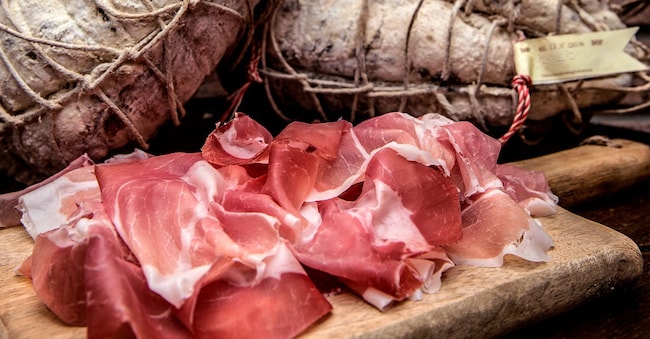
There are 57 Italian products that will be protected by the EU-Mercosur agreement, which President Ursula Von der Leyen signed last Friday in a lightning trip to Montevideo. Wines, above all, but also cheeses, vinegars, meat products, pasta, vegetables. The list of the 57 jewels of Made in Italy compiled by the EU Commission includes such top products as Barolo, Franciacorta, Chianti, Prosciutto di San Daniele, Prosciutto di Parma, Parmigiano Reggiano, Grana Padano, but also cult products such as Zampone di Modena, Culatello di Zibello, Cantuccini Toscani, Fontina and Gorgonzola, Balsamic Vinegar of Modena...
They are all part of a larger group of 350 European excellences that will be protected against an 'imitation risk' in the Latin American countries signatory to the partnership agreement (Argentina, Brazil, Paraguay, Uruguay). A prerogative, this, that will mark their distinctiveness and increase their value.
Currently," says a document just released by the European Commission, "EU agri-food exports to the area are worth 514 million euro and represent only 5% of total exports, burdened as they are by prohibitive tariffs ranging from 27% to 55%.
The same document states that an upper limit (quota) will be set on the quantity of agri-food products imported from Mercosur that benefit from lower duties. Namely: 99 thousand tonnes for beef (equal to 1.6% of total EU production); 25 thousand tonnes for pork (equal to 0.1% of total EU production); 180 thousand tonnes for poultry (equal to 1.4% of annual EU production).
The agreement has alarmed a large part of the agricultural world and the agriculture minister himself, Francesco Lollobrigida - in full agreement with Prime Minister Giorgia Meloni - called for "guarantees on reciprocity and protection of our products". The EU document recalls the safeguard clause designed to protect EU farmers from any sudden increase in imports, adding that 'this is the first time that such a measure has been included in an EU agreement, even for products already subject to a quota'.

