
From factories to homes, the era of humanoid robots has arrived
Intelligent automata revolutionise the labour and domestic markets. Italy at the forefront.
-kMtD-U65837747827gtu-1440x752@IlSole24Ore-Web.jpg?r=650x341)
3' min read
3' min read
The era of humanoid personal assistants is upon us. Robots capable of understanding and acting, performing tasks in homes, factories and businesses. They will be able to tidy up, look after the frail, work on production lines, take care of customer care and intervene in emergency situations. A science fiction scenario, which could materialise very soon, five or ten years at most, according to reliable predictions and a rapidly growing market. According to estimates, the sector will grow from USD 1.8 billion in 2023 to over USD 13 billion by 2028. An exponential evolution made possible by combining human movements and verbal interaction that has benefited from the large language models underlying the generative AI we use every day.
Imagining a society in which we will live side by side with anthropomorphic robots, in our own image and likeness, is no longer taboo. Hiroshi Ishiguro - professor at Osaka University's department of adaptive machines and one of the most influential personalities in the field of robotics - has given form and substance to an exact robotic replica of himself, theorising the emergence of a 'Human robot symbiotic society', a symbiosis between people, robots and avatars. The example is his Japan, where large investments of resources and knowledge are directing the world's first robot manufacturer to be a protagonist of the robotic revolution, primarily to make up for labour shortages in various fields, including education and healthcare. But the revolution is also affecting art. Many were left speechless when Alter 3 developed by Osaka University conducted an orchestra at the New National Theater in Tokyo in 2020 and, most recently, the portrait of Alan Turing made by the Ai-Da robot, which sold at auction for over $1.3 million.
Loading...
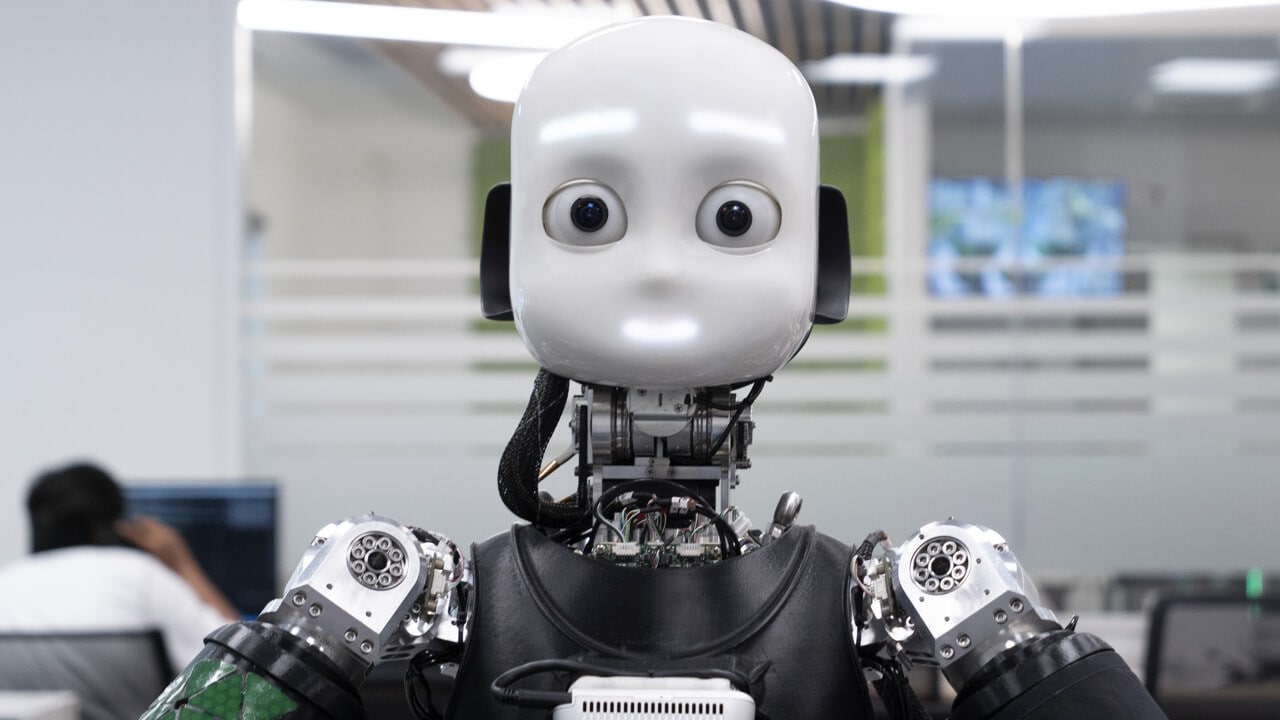
"We are witnessing the dawn of complex humanoid robots," said Damion Shelton, founder of Agility Robotics, whose flagship product is Digit, a bipedal robot designed for logistics tasks that Amazon has decided to integrate into its warehouses. Not long ago, Digit benefited from a partnership with microchip manufacturer Nvidia, whose goal is to enhance the learning capabilities of humanoid robots. In this sense, strategic partnerships have increased due to advances in AI. OpenAI, for instance, will adapt its GPT language models to meet the needs of the Figure 01 robot, which is capable of performing a wide range of demanding tasks in various industries. More recently, Boston Dynamics announced a partnership with Toyota. This partnership will provide the advanced behaviour models developed by Toyota's Research Institute division to improve the Atlas robot, the sophisticated humanoid platform capable of moving in an incredibly agile manner, surpassing human performance in both strength and flexibility.
.jpg)
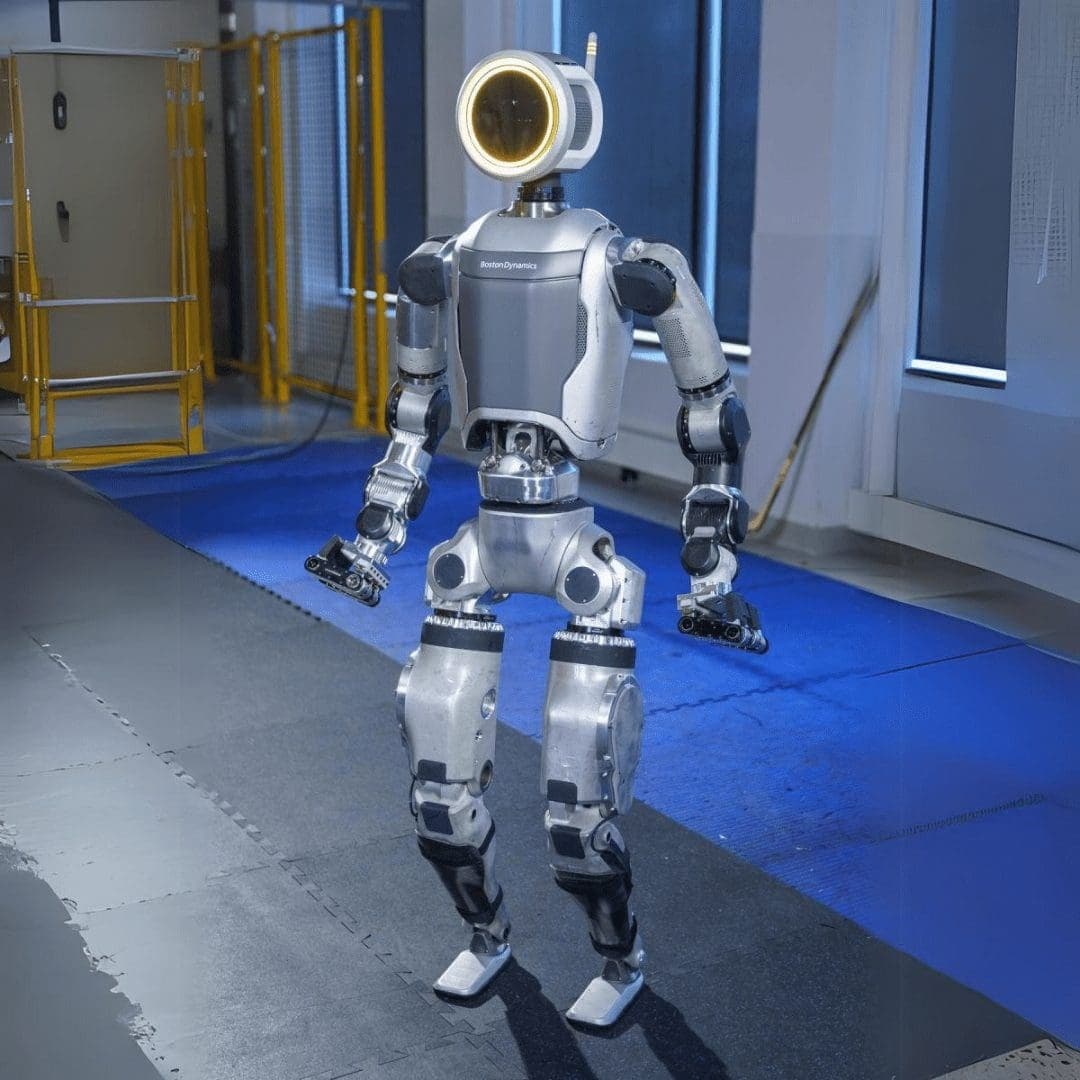
A league in which Tesla also plays with Optimus robots, which at the last convention danced and interacted with the audience present. Elon Musk announced that Optimus robots will soon be mass produced to help us in our everyday lives, as a domestic helper would, announcing the price: around 20,000 euros. Half that of a Model 3.
China is not standing idly by. Xpeng, the Chinese electric car giant, is following Tesla's lead with Iron, its first humanoid robot that is already working on production lines to assemble the new P7+i electric car model. Standing 1.80 metres tall, weighing 70 kg, it is equipped with over 60 joints and 200 degrees of freedom of movement. Also surprising in terms of agility was H1, the robot from the robotics company Unitree Robotics, which managed to perform a backflip and also set a world speed record for a bipedal robot, covering 3.3 metres per second.


Brand connect
Loading...
