
Synthetic meat, guidelines for possible production in the EU in force from February
New rules on novel foods: Efsa must be provided with very detailed information on the production process, food composition, product uses, nutritional values and potential allergens
by Silvia Marzialetti
 Aggiungi Il Sole 24 Ore
ai preferiti su Google
2' min read
2' min read
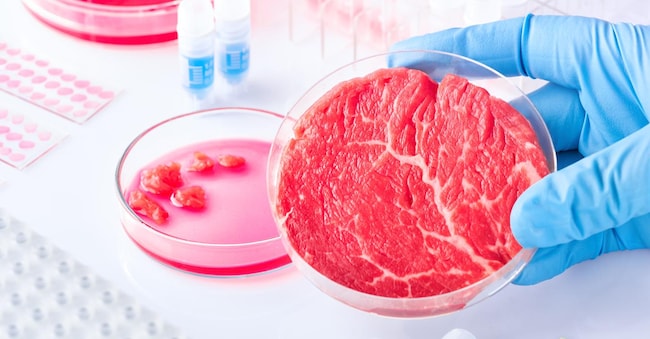
As of next February, even aspiring cell culture food manufacturers will have clear and precise indications to follow when submitting applications to the Efsa (Food Safety Authority, ed.) for marketing authorisation. They will have to provide very detailed information on the production process and composition of the food. They will also have to clarify the product's uses, nutritional values and potential allergens.
This is established by the new guidelines on Novel Food, just published by Efsa, which, as requested a year ago by the then EU commissioner for food safety, Stella Kyriakides, go into the merits of a highly contested case. The request was also advocated by an axis of twelve countries led by Italy (the only EU country with a synthetic meat law), France and Austria, at a time when the debate was inflaming the Agrifish sessions.
Efsa's response comes in the form of a 50-page paper that covers all novel foods in line with 'changes in the EU legal framework and recent advances in food research and innovation'.
'The novel foods industry is evolving rapidly,' explains Ermolaos Ververis, scientific officer at Efsa's Nutrition and Food Innovation Section, 'and it is important that our safety assessment processes keep pace. He continues: "We have learned a lot from assessing novel food applications since the new regulation came into force in 2018: experience that has helped us clarify definitions and data requirements so that applicants can submit higher quality applications and the risk assessment process is more efficient."
The new guide provides more detail especially on the scientific (hyper-technical) requirements that the Authority has found lacking over the past six years, and this update could speed up the evaluation processes (remember that final approval and marketing rules always lie with the EU Commission and the Member States).

