
From Hyundai and Swiggy to Vishal: 15 newcomers in India worth 7 billion
The local stock market's run is attracting large and solid companies. Indian government bonds enter JPMorgan's emerging market index
2' min read
Key points
2' min read
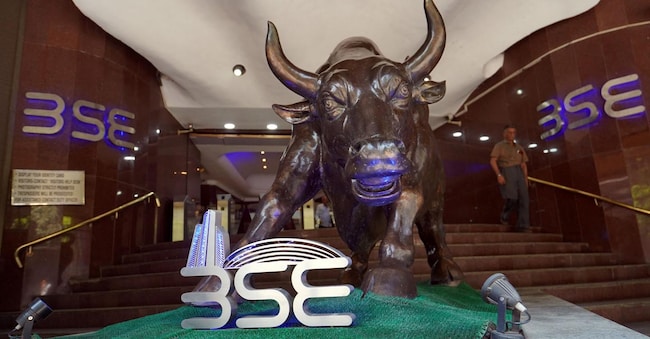
With only a few hours to go before the end of the first half of the year, 2024 seems well on its way to becoming a crucial year for the Indian financial markets. The good performance of the Mumbai Stock Exchange (the Nifty 50 of the National Stock Exchange from 1 January to yesterday was up 10.59%) is supporting the IPO market. According to data compiled by Bloomberg, at least 15 medium-sized companies are expected to debut on the stock exchange between now and the end of 2024, with an estimated raising of close to USD 7 billion.
The names
.The most eagerly awaited public offering is that of Hyundai's Indian branch, which alone could raise around 2.5 billion and challenge the Life Insurance Corporation's 2022 listing for the sceptre of India's largest ever IPO. But it will not be the only one. In the second half of the year, Swiggy, a food delivery company owned by SoftBank, and Vishal Mega Mart, a supermarket chain that operates in a sector still dominated by small players, could also go public.
The Turning Point
.One of the hallmarks of the second half of the year should be the size and reliability of the newly listed companies. Where the first six months were not stingy with the IPOs of small, little-known companies that were not infrequently put under the lens with more attention than usual by stock exchange authorities, the second half is expected to be less 'corsair'. With this in mind, operators expect greater interest from foreign investors looking for more liquid and structured companies towards which they can allocate some of their capital.
Bonds
.This is not too dissimilar to what is being announced in the bond sector, where today India's entry into the world's leading index of emerging market bonds compiled by JPMorgan will take place. The inclusion of New Delhi government bonds will take place gradually and will be spread over the next 10 months. It is estimated that the inclusion will bring capital flows in the range of $2-3 billion per month in the government bond sector alone, with possible reverberations also in the corporate bond market denominated in local currency, which today is dominated by domestic players. Today, only 2.4% of India's public debt is in foreign hands. JPMorgan expects this to double, or nearly double, by 2025.
Among the expected consequences is a possible lowering of financing costs, including for Indian companies, more international attention on the government's management of state finances, and the exit of some USD 11 billion from 'competing' markets such as South Africa, Poland and Thailand.


