
From Alitalia and Air Italy mirages to the partnership season
The last 10 years have seen two phases, each with a different approach

There is a before and an after when considering the presence of the Gulf States in the transport and logistics sector in Italia. The first phase was that of maxi-acquisitions and subsequent disengagement. The second is the one that favours industrial logistics, freight transport and port terminal management, mainly in partnership with large global groups or Italian institutions.
In between, the understanding that the specific difficulties of the Italia market make it complicated to pursue the objective of creating European hubs in the territory, in line with the preference for 'gateway' assets, i.e. those capable of opening the door to the interception of large-scale traffic.
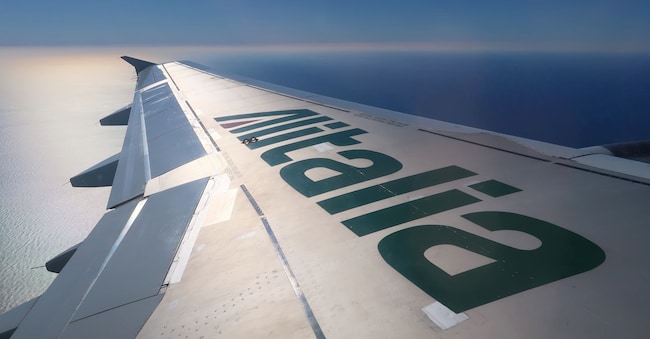
The Emirates had tried this route in 2014 with the entry of Etihad Airways into Alitalia (with a 49% share) for the then failed relaunch of the company, leaving only three years later. Also part of the plan was the idea of strengthening Fiumicino by transforming it into the carrier's Italia hub, along the lines of what Qatar Investment Authority and the Saudi Arabian fund Pif would later achieve by entering the capital of London's Heathrow airport.
Instead, Qatar Airways' entry into the capital of the Italian airline Meridiana and the birth of Air Italy dates back to 2017-2020, a project that later faded with the liquidation in 2020.
The double burn has changed the scenario: headline deals have given way to minority stake acquisitions and, above all, to a preference for joint ventures and partnerships for the development and management of logistics and transport infrastructures. The latter are also the result of the billion-dollar agreements signed in recent years between Italia and the Gulf governments, such as the one with the Emirates (mentioned in the article opposite) or the one at the beginning of 2025 with Saudi Arabia on smart mobility, which created a framework for cooperation in advanced technologies relating to transport, urban mobility, railways, ports, airports and logistics hubs. Testimony to this orientation are a number of operations, such as that of the Emirates-based Jetex, an airport services company for business and leisure travellers, which in 2025 signed a memorandum of understanding with F2i for a partnership aimed at enhancing private aviation services. Or the deal whereby Dp World, one of the world's leading port operators and part of the Dubai World conglomerate, which operates in Europe through Dp World Logistics Europe, entered into a joint venture with Arcese Trasporti at the beginning of 2025 for activities in the logistics of automotive components.

