
From Mozart to film, the roads of music lead to Salzburg
The city where the composer was born is also a destination for thousands of fans of his prestigious Festival and the film 'Tutti insieme appassionatamente'. And it is perfect for introducing children to the notes
3' min read
3' min read
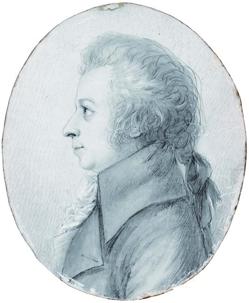
You will find his face everywhere: in the 19th-century statue sculpted by Ludwig Schwanthaler, in the chocolate balls with marzipan hearts invented by Paul Fürst in 1890 as a souvenir for the first musical tourists who began to arrive in the city; in his two houses, the one where he was born, amidst the wrought-iron signs on the elegant Getreidegasse, and the one where he was an established musician overlooking the green Markartplatz; on supermarket windows, on fridge magnets and T-shirts: Wolfgang Amadé Mozart, who was born there in January 1756, is the man who marked the musical destiny of Salzburg, a city of 150,000 inhabitants crossed by the river Salzach, capital of the Land Salzburg, one of Austria's nine federal states, and a UNESCO World Heritage Site since 1997.
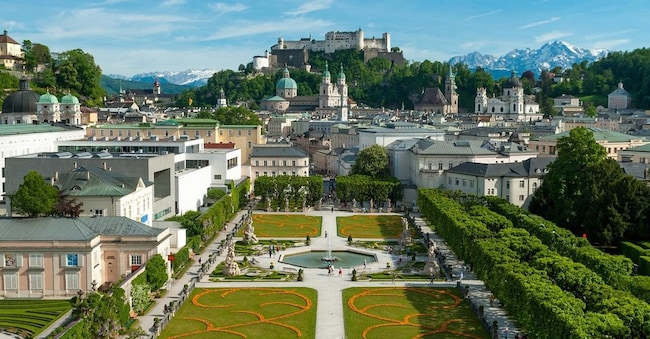
Its streets, amidst medieval corners, gardens, villas and baroque churches commissioned by the powerful and cultured prince-archbishops who ruled it for centuries, until 1806, are inhabited by notes: those of Mozart, of course, played in the concerts organised in the Marble Hall of Mirabell Castle, an elegant oasis in the heart of the city, or accompanied by dinner with late 18th-century dishes in the Stiftskulinarium restaurant of St Peter's Abbey, the oldest in Europe since it dates back to 803; the notes of Stille Nacht, the most famous Christmas carol, the words of which were written in the city in 1816 by the priest Joseph Mohr, but above all, those of the Salzburg Festival, at least as much a monument of the city as its Hohensalzburg fortress, which has watched it from the 11th century like a white, majestic crown, smugly proud of its magnificent age.
Loading...
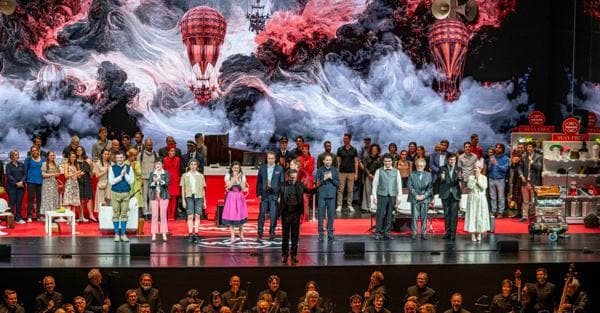
Founded in 1920 by theatre director Max Reinhardt, who wanted to revive the fortunes of tormented post-World War I Austria, together with his partners Hugo von Hoffmannsthal and Richard Strauss, the Festival is about to celebrate its 104th anniversary with a new summer edition, from 19 July to 31 August, the most popular of the three (the others are at Easter and Pentecost) held throughout the year: 172 events are scheduled, including concerts, operas and plays, with the unfailing Jedermann in the square in front of the cathedral, designed by the architect Santino Solari at the beginning of the 17th century, and the operas in the metaphysical spaces of the Feltenreitschule, carved out as a riding school in the hard rock of the Mönchsberg, the "urban" mountain in which the administration plans to carve out more spaces for performances, investing 35 million euros over the next ten years. In 2023, the Festival brought 241,000 fans to the city, including many young people, attracted by the attractive discounts reserved for them, the result of an intelligent inclusive strategy that even involves children from 9 years of age with workshops dedicated to opera.
Reinhardt's son, also called Wolfgang, was curiously responsible for another hugely successful event for Salzburg music: it was he who in 1954 bought the film rights to the biography of Maria Kutschera von Trapp, the former novice who took care of the seven children of Commander Georg von Trapp. If it reminds you of the plot ofThe Sound of Music, the 1965 blockbuster film starring Julie Andrews, you guessed right. The film (a new version of the musical produced by Reinhardt ten years earlier) was filmed in Salzburg, the city where the von Trapp choir was founded, and every year 400,000 people take the tour to visit the locations, from the Mirabell gardens to Leopoldskron castle, which by a dizzying twist of fate was bought in 1918 by Reinhardt's own father to make it the venue for his festival.
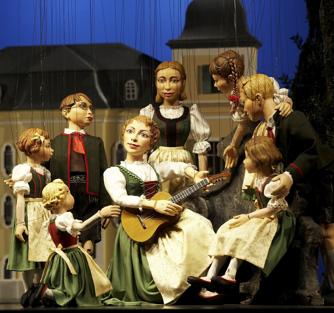
Also linked to the von Trapp story is another type of music, the Gregorian chants that the Benedictine nuns of the Nonnberg Abbey, where Maria von Trapp lived her days as a novice, intone every morning at 6.45am. Returning to the film, its fans follow with equal passion the film performed by the puppets in the city's Marionettentheater, a mysterious and exciting place, also a suitably UNESCO-protected property adored by children.


Brand connect
Loading...
