
What the Cresco supercomputer is for: from nuclear energy to biotechnology
Enea's supercomputer with 122 million computing hours in one year has made a significant contribution to international scientific research.
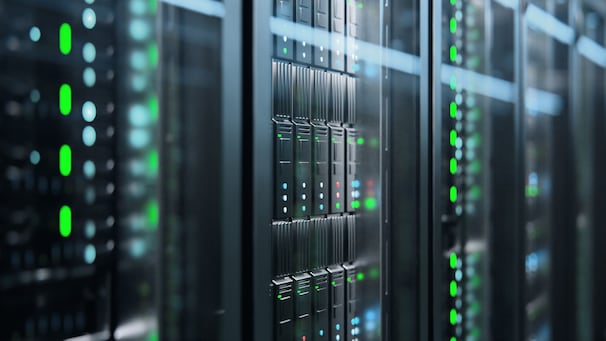
From nuclear energy to materials science, from molecular dynamics to biotechnology, but also for climate and energy and digital transition. These are the applications of Cresco, ENEA's supercomputer, which has made a significant contribution to international scientific research with 122 million computing hours in one year.
200 research centres and universities
More than 200 research centres, universities and companies benefit from the support of the supercomputer in activities ranging from nuclear energy to materials science, from molecular dynamics to biotechnology, but also for climate, energy and digital transition.
Data from the report High performance computing on Cresco infrastructute: research activity and results 2024.
Among the most important initiatives supported in 2024 by the Enea supercomputing system, as the research agency points out, is the Pnrr Divertor Tokamak Test Facility Upgrade (DTT-U) project, 'aimed at improving the reliability of the systems of the DTT fusion energy facility under construction at the Enea Research Centre in Frascati'. The supercomputer makes it possible to develop advanced models and simulations for the behaviour of the plasma used in the nuclear fusion reaction.

