
From tacle to mapo, how new types of citrus fruits extend the season
Space for varieties suited to warmer winters and changing tastes. The sector is worth EUR 1.8 billion, but the trade balance is negative

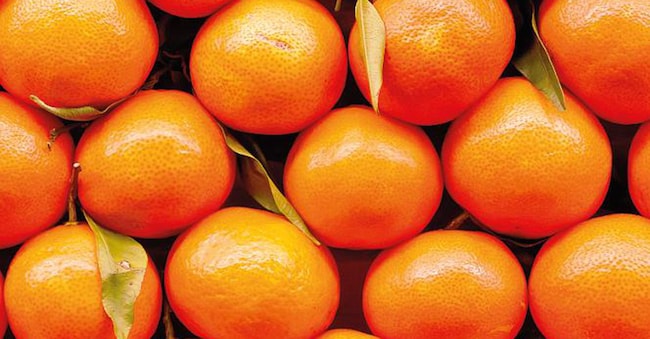
The launch of guaranteed-pigmented blood oranges, the introduction of clementines that resist climate change, the development of new varieties of even later mandarins, and the growth of small, sweet and easy-to-peel citrus fruits such as the miyagawa and the mapo. Then there is the rediscovery (also botanical) of the pomelo, the boom of the yuzu in haute cuisine and the opportunities (yet to be exploited) to return to exploiting lemons and grapefruits. The citrus fruit sector is a universe on the move, where Italia is an important player, with an average annual production of 3.2 million tonnes for a value of 1.8 billion euro and an offer that ranges from oranges to lemons, from mandarins to grapefruits, from clementines to bergamots.
"The organoleptic quality, also due to its privileged geographical position, has allowed Italian citrus farming to distinguish itself for its sustainability, attention to consumer health and strong identity linked to the Mediterranean diet and territory," stressedCREA president Andrea Rocchi on the occasion of Citrus Day, the annual event dedicated to citrus research carried out in Italia.
Negative trade balance
But despite our long tradition of production, the balance of trade in citrus fruit is negative: in 2024 we imported 334 thousand tonnes of citrus fruit (mainly from Spain, South Africa and Egypt) worth 323.5 million euro and exported 255 thousand tonnes, collecting over 314 million (Fruitimprese data).
The figures for the first nine months of 2025 show an import growth of 8.8% in quantity and 30.3% in value against an export increase of 14% and 20% respectively. So, while our main rival Spain is a net exporter (60% of production), we are in fact an importer (less than 10% export). With some nice exceptions, such asthe Igp Sicilian Red Orange, which places more than half of its fruit abroad. Or like the mandarins and clementines segment, where exports have exceeded imports with a surplus of 5.3 million since 2024. "Small citrus fruits are in tenth place among the most exported Italian fruits. An exceptional result if one considers that they are produced for only a few months of the year,' stresses Mario Lo Schiano Moriello of Ismea.
Domestic or imported, citrus fruits remain a very important family for the national fruit and vegetable sector both in terms of market size and added value, thanks toa difference between average production cost and average selling price of 60% for tarocco oranges and 100% for clementines, as calculated by Ismea. All the more reason to make citrus fruit a fundamental category for retailers, not least because they come to bring freshness, choice, and colour in a 'difficult' and not very generous season for the fruit and vegetable department of shops. This is also why the world of citrus fruit is subject to continuous 'maintenance'.

