
Migrants, the story of the Sea-Watch 3 ship: detentions, rejections and now maxi compensation from the state
The state will have to pay more than €76,000 to Sea-Watch for the detention of the vessel Sea-Watch 3 - in whose command was the activist Carola Rackete - ordered in 2019 after the mission in the central Mediterranean carrying migrants rescued at sea

Key points
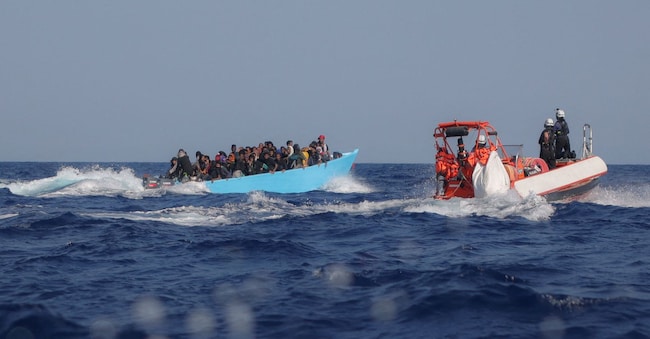
The state will have to pay over 76,000 euros to Sea-Watch for the detention of the Sea-Watch 3 ship - under whose command was the activist Carola Rackete - ordered in 2019 after the mission in the central Mediterranean with migrants rescued at sea on board. This was established by a civil ruling of the Court of Palermo: a verdict that makes noise on its own, because it reopens one of the most divisive dossiers in Italian immigration policy. But the point is not just the figure. That compensation is the last bill - arrived late, but with enormous political weight - of a case that has condensed landings, borders, public order, law of the sea, media clash and judicial battle into a few days.
The Palermo decision recognises that the detention of the ship was unlawful and that expenses incurred during that detention (in the reconstructions, documented for the final period of 2019) must be reimbursed.
The Meloni government reacted harshly: a sign that, even years later, the Sea-Watch case remains a landmine. And it is here that it is worth going back: because those 76,000 euros of compensation were born from a tug-of-war that, in 2019, became the symbol of Italia trying to close the sea by decree.
The Sea-Watch 3, the rescues and the suspended days off Lampedusa
When the Carola Rackete case explodes (June 2019) and when the ship is stopped (July 2019), there is the Conte I government (M5S-Lega coalition) in Italia. In that government, Matteo Salvini is Minister of the Interior and the Viminale is the political pivot of the closure strategy towards NGOs.
But let us proceed in order.

