From SoFi Stadium to the Azteca, the five most iconic stadiums of the 2026 World Cup
North American arenas are complex industrial facilities, property assets, technology hubs and revenue generators

Key points
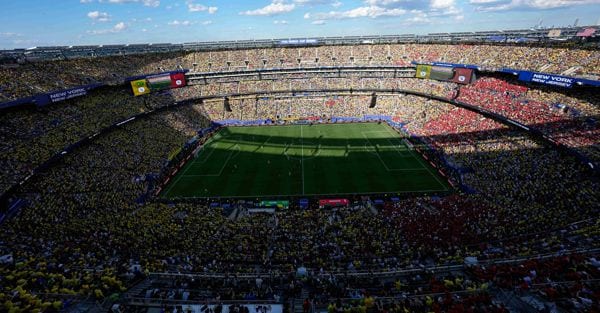
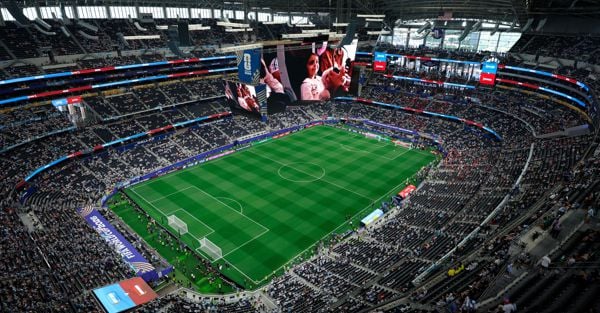
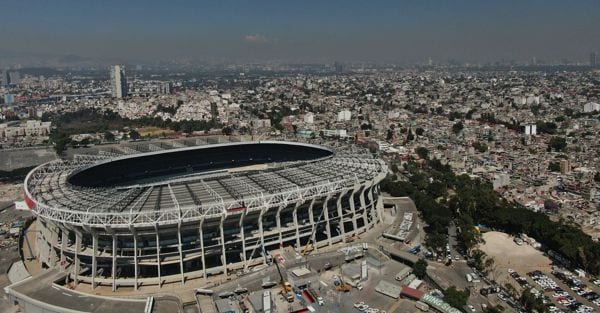
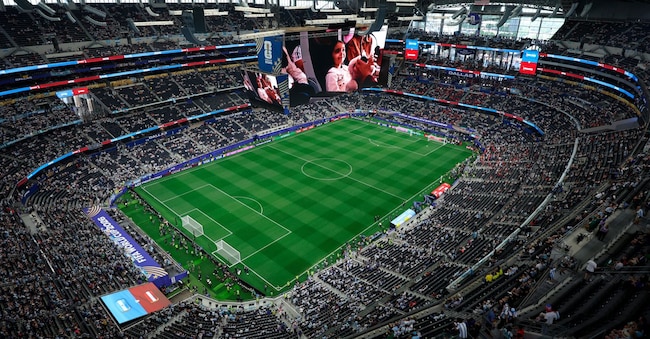
From the 5.5 billion of the SoFi Stadium to the 75 million spent on refurbishing the Azteca, the 2026 World Cup showcases, on the one hand, stadiums conceived as global financial assets and, on the other, historic venues that have been refurbished to remain competitive. In the 2026 World Cup, however, stadiums are proving more than ever what they represent today in the sports industry: they are no longer simply venues for matches, but complex industrial platforms, property assets, technological hubs and revenue generators.
From this perspective, the five iconic stadiums featured in the North American showcase illustrate, through figures and functions, the direction in which the global football economy is heading.
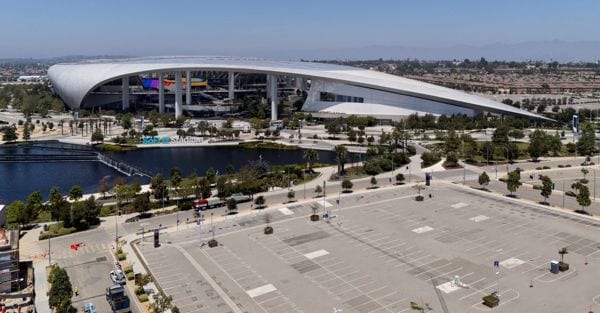
1. SoFi Stadium (Los Angeles)
Year of completion: 2020
Cost: approximately 5–5.5 billion dollars
Capacity: 70,240 seats (over 100,000 for major events)