
From Veneto to Campania: for Millennials and Gen Z, inspiration comes from shops. In Lombardy, social beats shop windows

3' min read
3' min read
The sales figures of the large fashion and luxury groups - but also those of surveys such as the Monitor Altagamma-Bain or The State of Fashion study by McKinsey and Bof - continue to certify the predominance (and growth) of sales in the retail channel. A channel that, despite the boom in e-shopping recorded during the pandemic, not only continues to please but also continues to fascinate the young and very young, and not only the generations that are more accustomed to 'physical' shopping.
This is confirmed by the Fashion and Generations Observatory "Fashion and Identity - Dressing without infrastructure", a survey carried out by BVA Doxa for McArthurGlen that investigates the buying behaviour of Millennials and Gen Z between online and offline both nationally and regionally. The main sources of style inspiration for those interviewed are still shop windows in the majority of cases (46%), followed however by social media (32%) and brand websites (29%).
"The weight of Gen Z is increasing," explained Donatella Dotto, managing director of McArthurGlen Italy, "and we expect a 30% increase in our outlets between now and 2030. The survey shows the importance of physical shops, which consumers cannot ignore, but also the need to push the shopping experience, both on social networks and in terms of entertainment".
The regional cross-section: focus on 5 areas
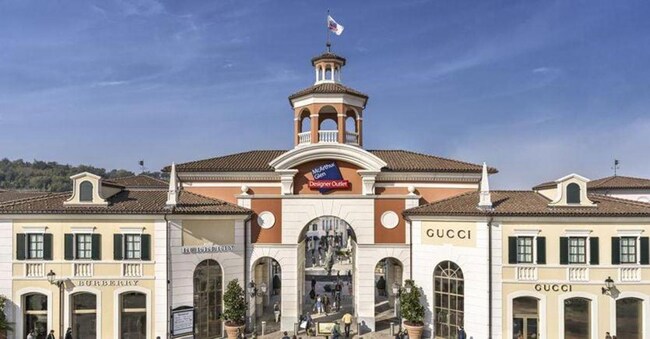
The study offers an interesting territorial cross-section, with an analysis of five regions, those affected by McArthurGlen with its four Italian Designers Outlets: Piedmont and Lombardy (Serravalle); Veneto (Noventa di Piave); Lazio (Castel Romano) and Campania (La Reggia). The behaviour of young consumers - on the whole we are talking about under 45s - is united by a predilection for the shop both as a place of purchase and inspiration.
Young people in Veneto buy in shops in one out of three cases, with a preference for shopping centres (59% vs. 54% of the national average) and a share of people who buy in independent shops that is ten percentage points higher than the national one (39% vs. 29%). The Veneto people are more 'down-to-earth' and identify with a new basic or business casual style. It is no coincidence that their main source of inspiration for clothing comes from the world of work. Moving on to Lazio - where the winner in terms of weight on choices is still work (35%) but also the social context (35%) - shop windows are the main source of inspiration (42%) for choices on how to look.

