
Fruit and vegetables, consumption rises again in Italy. Organic in the lead
Cso Italy: first half year closes with a positive result in both volume (+4%) and value (+8%)

2' min read
2' min read
The year 2025 confirms, month after month, signs of recovery in the fruit and vegetable consumption of Italian households with even better performance for organic fruit and vegetables. After a long period characterised by pandemics, energy crisis and inflation,the first half of the year closed with a positive result both in terms of volume and value. The news is given by Cso Italy (Centro servizi ortofrutticoli that associates 70 producers and fruit and vegetable marketing co-ops)
Fruit beats vegetables
.In the first half of the year, the total volumes of fruit and vegetables sold amounted to 2.68 million tonnes, an increase of 4% compared to 2024, while total expenditure reached EUR 6.95 billion (+8%). Compared to previous years, the quantities have not yet reached the levels of 2022 and the previous years before the great consumption crisis that characterised the two-year period 2022-23, scourged by rising inflation and serious difficulties on the production front.
The fruit sector was particularly dynamic: in June, quantities purchased rose by 9%, while value increased by 19% thanks to an average price of EUR 2.84 per kilo (+8%) driven by bananas, watermelons and melons, with double-digit growth, but also exotic products such as mangoes and avogados.
In June, the volume of portages purchased by households for home consumption, on the other hand, increased by 9%, while the value increased by 5%. Here it was tomatoes that made the difference, growing steadily and returning to 2021 levels, along with courgettes and cucumbers.
Supermarket Leadership and Central Italy
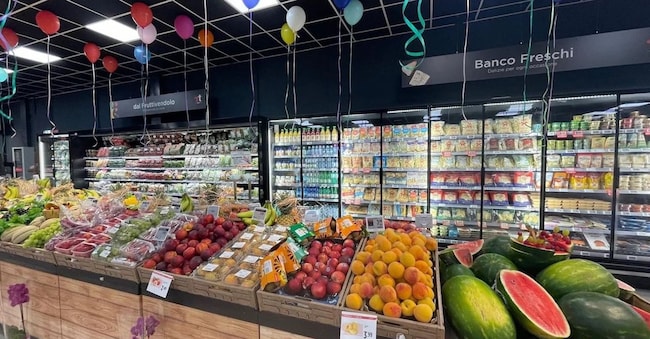
.As far as purchasing channels in Italy are concerned," report Cso Italy, "fruit and vegetables continue to be purchased mainly from the large-scale retail trade, which therefore consolidates its leadership with over 80% of the total volumes, thanks to the driving force of supermarkets and discount stores.
The traditional channels, such as local markets and greengrocers, are struggling to maintain their positions, with structural losses compared to 2021.


