
Fuel: final week of the excise duty cut. And diesel prices are back above 2.1 euros per litre
Although the price of petrol is considerably higher than last winter, it has remained stable for weeks and stands at around 2 euros per litre

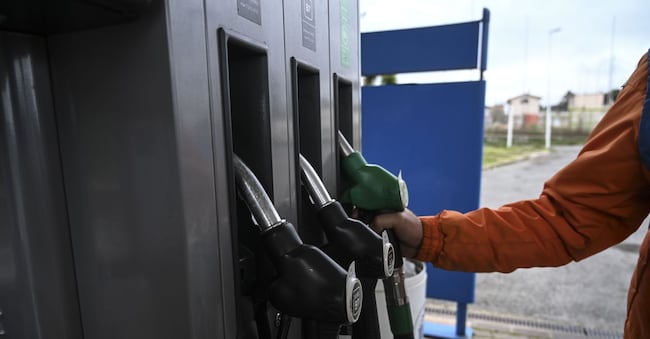
A countdown is ticking away and, at the same time, fuel prices are rising. This combination is causing the Government increasing concern during the summer break, which could be cut short – next week – so that it can take further action on high fuel prices.
When does the discount expire?
The date marked on the calendar is Tuesday 25 August, when the 17-cent reduction in excise duty on diesel (including VAT) will expire after just under a month. This measure was introduced at the end of July and renewed at the start of August during the last Cabinet meeting before the summer recess.
The reason for focusing solely on diesel is linked to the inelasticity of demand for this fuel. It is, in fact, the most widely used fuel for freight transport and in various sectors such as fishing and agriculture: it is no coincidence that, for all the sectors mentioned, hundreds of millions of euros in tax credits have been made available to help businesses.
Prices
Yet, despite the €245 million expenditure approved by the Council of Ministers on 4 August, the price of diesel has remained significantly higher. And it has continued to rise, reaching €2.107 per litre today. This figure is a long way from the price at the time the latest excise duty cut was decided – on 28 July, a litre of diesel cost 2.180 euros, i.e. 7 cents more – but it is nonetheless a cause for concern as the discount at the pump draws to a close. Without further intervention, from next Wednesday diesel is set to reach 2.277 euros per litre. A record high.
Although the price of petrol is significantly higher than last winter, it has remained stable for weeks. It stands at around 2 euros per litre, a record high for this year but not historically, given that higher peaks were reached during the conflict in Ukraine in 2022.

