
Fuel, excise cut not seen at the pump: Mr Prezzi sends reports to the Gdf
In the decree, which entered the official gazette on Wednesday evening, both the fuel cut and the strengthening of Mr Prezzi were approved

Key points
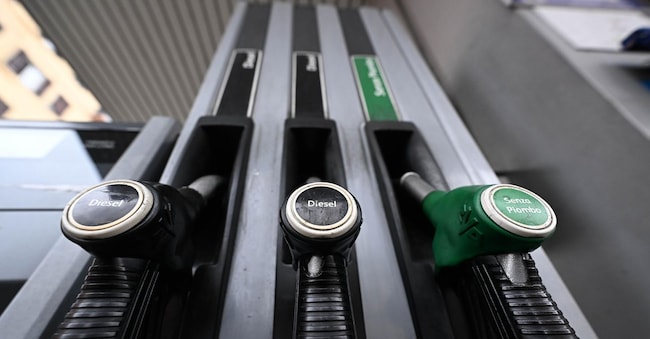
There had been many reports and, after a few hours, the confirmation also came from the government. We are talking about the irregularities during the first day of tax cuts that oil companies have to pay. Cuts that, as Codacons pointed out, were not seen at distributors, even though they are paying lower excise taxes (-24.4 cents per litre).
The list at the Guardia di Finanza
Exactly, the government's confirmation. Of the Garante per la sorveglianza dei prezzi del ministero delle Imprese, in particular, which, on the instructions of Ministers Urso and Giorgetti, has transmitted to the Guardia di finanza the list of distributors who have not yet adjusted their fuel prices to the excise cut. The controls throughout the country,' Mimit said, 'will continue on the road and motorway network and along the entire supply chain.
Mr Prezzi's enhancement by decree
In the same decree, which entered the Official Gazette on Wednesday evening, an enhancement of Mr Prezzi was approved, which will have to manage 'a special system of control of distorting phenomena along the fuel supply chain'. In practice, if monitoring detects 'an abnormal and sudden increase in prices' it will have to notify the Guardia di Finanza of distributors and oil companies to be checked, in order to hunt for possible speculative phenomena.
The Fiamme Gialle will then forward the results to the Price Supervisory Authority itself and to the antitrust authority 'for the possible initiation of sanctioning proceedings'. In the most serious cases, they will finally transmit the papers to the judicial authorities.
The new rule does not, nor could it, change the existing regulatory and sanctioning framework in case of speculation, which is always very complicated to prove. But it seems more like the political objective of flexing one's muscles against what are considered excessive price movements.

