
Fuel, war in the Middle East is a sting for Italians: spent 16.5 million more per day
According to Codacons, from 27 February to 14 March, diesel rose by 18.5 per cent and petrol by 9.1 per cent, resulting in a total increase of EUR 16.5 million per day for consumers. The state is reportedly collecting an extra 9.5 million euros per day

Key points
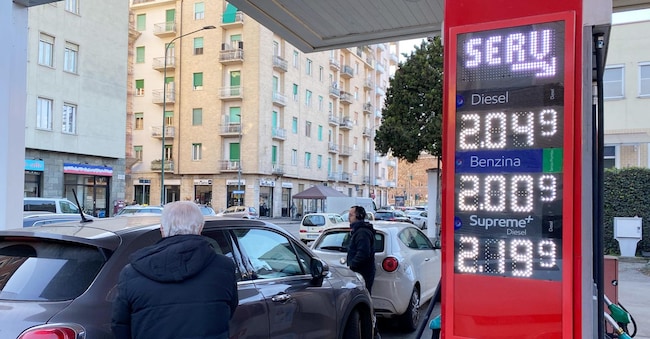
The war in the Middle East is already making itself felt on the wallets of Italians. The first front, once again, is that of fuels: refuelling costs more and the overall bill, every day, gets heavier.
Launching the alarm is Codacons, which has drawn up a study on the effect of the international crisis on prices at the pump. The hardest data concerns diesel: from 27 February to 14 March, diesel fuel recorded an increase of 18.5%, equal to 32.2 cents more per litre. Translated into concrete terms, this means about 16 euro more for a full tank.
Smaller, but still significant, was the rise in petrol prices. In the same time span, the average price rose by 9.1 per cent, an increase of 15.3 cents per litre. For motorists, the result is an increased expenditure of approximately 7.6 euro per filling up.
How much conflict weighs on families
The final effect is a real daily haemorrhage. Considering daily fuel sales on the ordinary network, between roads and motorways, Italians are spending EUR 16.5 million more per day than before the crisis.
The reason is simple: volumes remain very high. Every day, around 40.1 million litres of diesel and 23.9 million litres of petrol are purchased on the ordinary network. In total, over 64 million litres per day. Therefore, an increase of only a few cents is enough to turn the price increase into a national sting.

