
Citizens of the Future by Jean-Baptiste Greuze
The exhibition "Jean-Baptiste Greuze: l´enfance en lumière" is open until 25 January in Paris

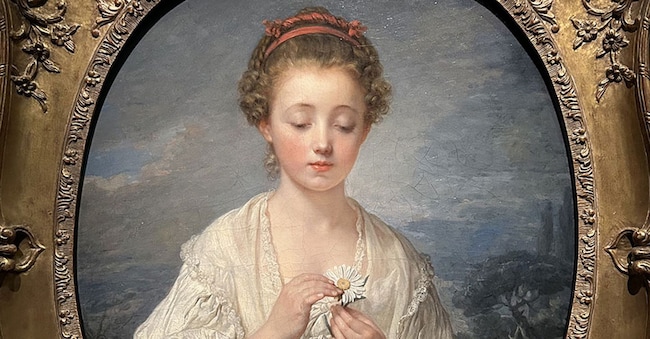
Denis Diderot said of him that he knew how to ¨paint souls¨, and he chose to portray above all the souls of young people and children. A major retrospective at the Petit Palais now pays tribute to Jean-Baptiste Greuze, an Enlightenment painter, on the 300th anniversary of his birth.
The title of the exhibition is "Childhood in the Spotlight" to emphasise Greuze's interest in children, of all ages and social classes, portrayed without facile sentimentalism towards an alleged age of innocence but with a genuine, profound interest in their mental and psychological evolution and their inner life. It is no coincidence that Greuze, a convinced Enlightenment philosopher and friend of Diderot, was also a follower of Jean-Jacques Rousseau and wanted to give childhood a new centrality in his paintings, just as the great philosopher had done in his books. Children are the future and how they are treated, educated and considered determines what kind of men and women they will be.
Children, portrayed in their vulnerability and spontaneity, inspire affection and tenderness, but their portraits are never sugary. On the contrary, Greuze often portrays them as thoughtful or saddened, concentrated in their studies or exhausted from the effort of learning a lesson.
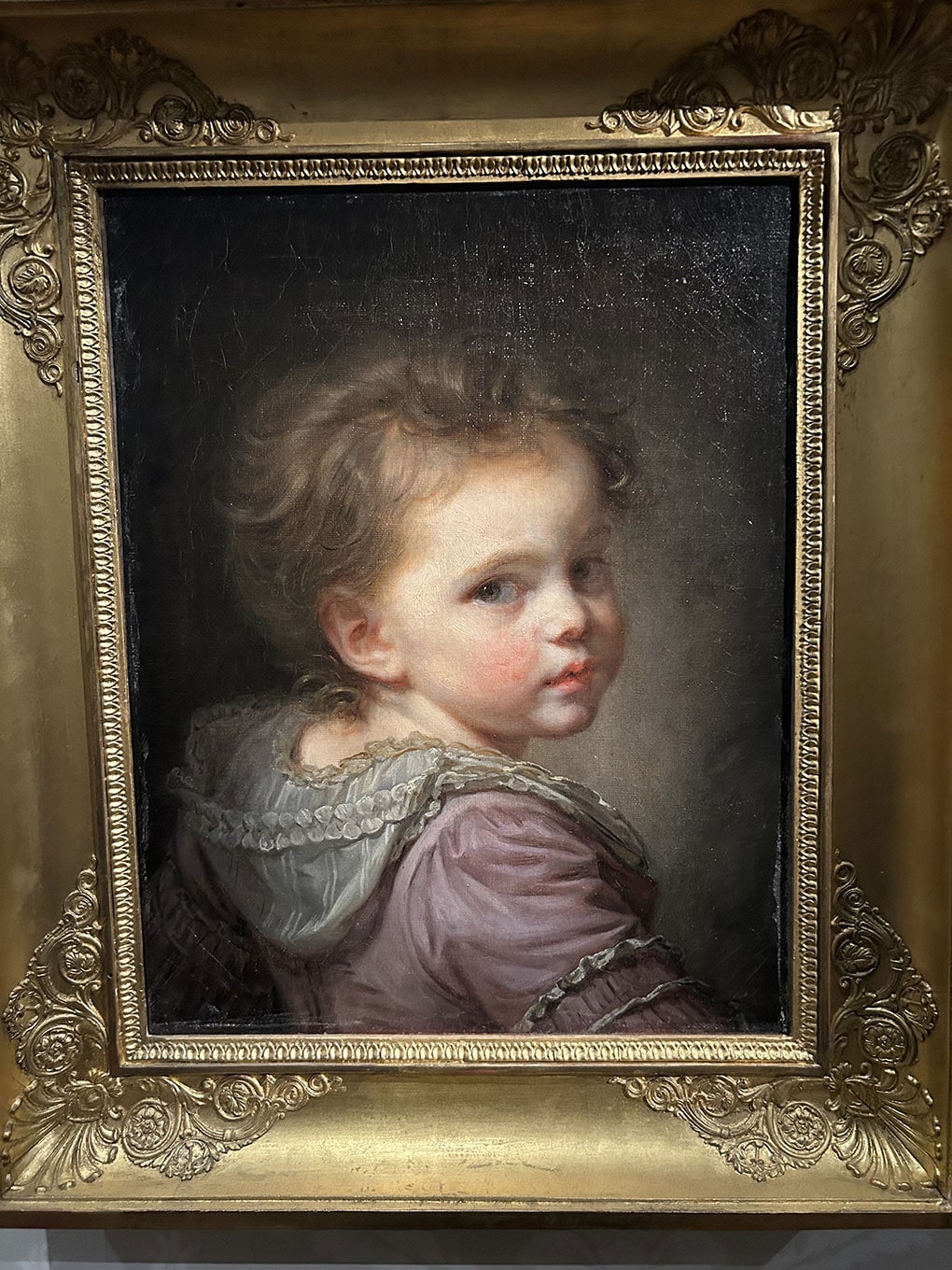
Children alone or with family
Greuze portrays children alone, worthy and deserving protagonists in a painting, or even in a family context. These family portraits always have a moral: tacit approval for scenes in which parents and relatives are reunited in warmth and affection, perhaps with the father reading Bible passages to his children. And blatant disapproval for scenes of family chaos and disorder, with the spectre of violence hovering in the air and the frightened faces of children telling what they do not know or cannot say.
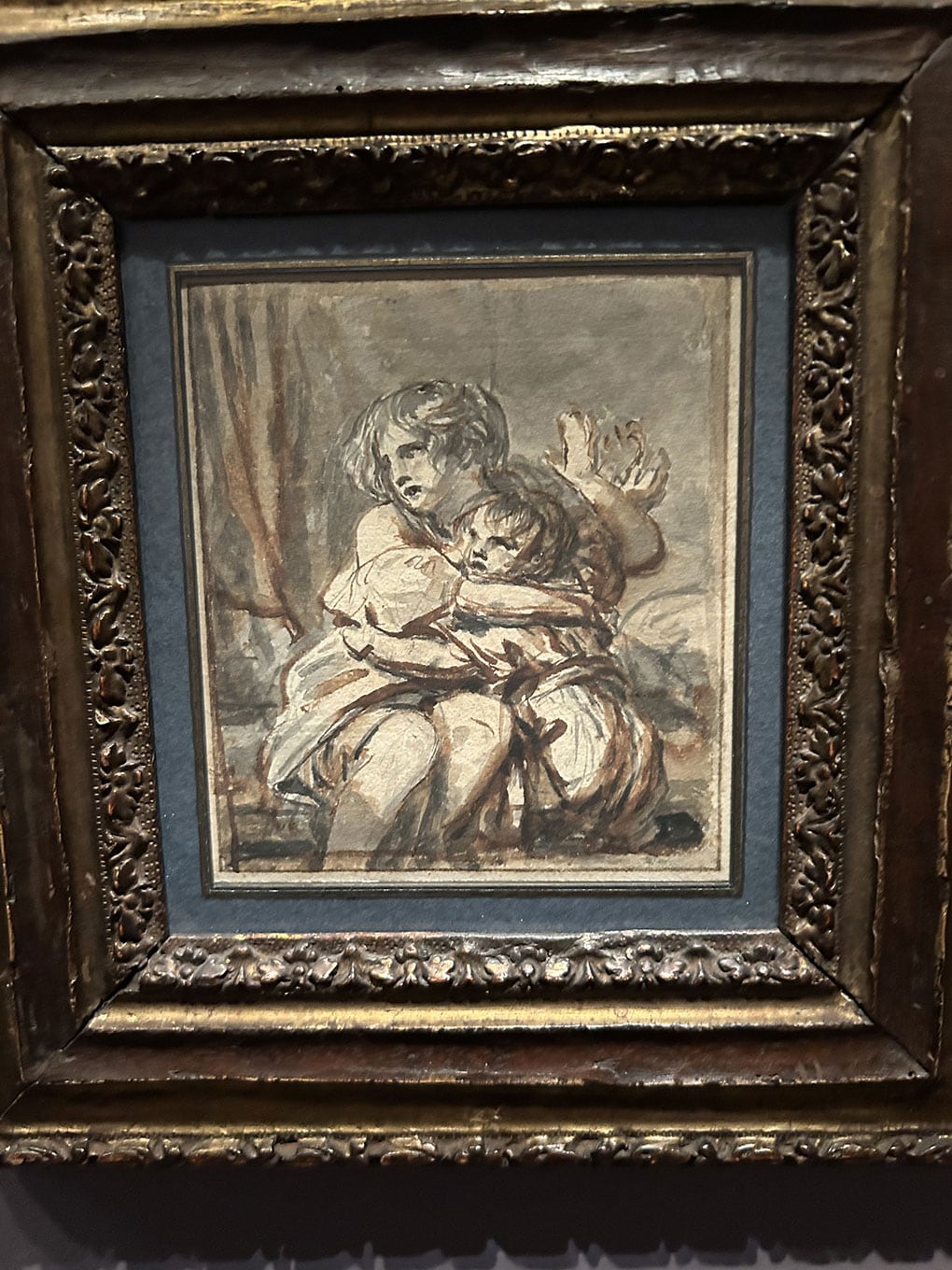
Greuze agreed with what Diderot wrote in the Encylopédie about the importance of the role of parents in shaping children, the citizens of tomorrow: affection and presence, but also good example and a strict and moral education. He demonstrates this with the numerous portraits of his two beloved daughters at different ages.

