
Galaxy S26, Samsung focuses on privacy and pushes Ai out of the cloud
The new series of the Korean manufacturer's flagship smartphones was unveiled. The central question: is it worth the upgrade?

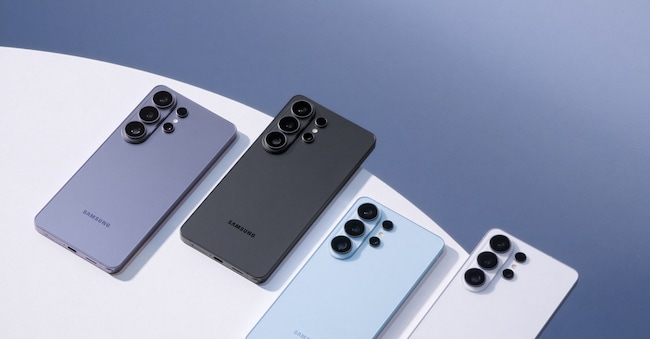
Samsung raises the curtain on the Galaxy S26. After two years of apnoea, the market is looking for a breather. Estimates are for growth of between 3 and 5 per cent in 2026. But prices are going up. Blame memory. More capacity, more cost. Against this backdrop, Samsung is anticipating. And tries the coup de théâtre. The miracle, however, is not in the gigahertz. It is in privacy. And in the artificial intelligence that moves from the cloud to the phone.
What is Privacy Display?
The jewel in the crown is the new Privacy Display. Or rather: a digital shield integrated into the panel. Not a film. Not a software filter. Pure hardware. We tested it during a closed presentation. The idea is simple. If the light is a lighthouse, just direct it. Samsung switches off the pixels diffusing sideways. The light travels vertically. Result: whoever looks frontally sees everything. Those sitting next to it see black.
The function activates itself but can be customised according to the app and the data. Open the bank app? The shield lights up. Enter a PIN? Shielded screen. Pop-up notification? Obscures only that portion. Without dimming. No 'sunglasses' effect. It's not a wow effect, but in an age where the smartphone is the identity card, wallet, clinical diary and family album, privacy becomes a physical layer. No longer just a software promise.
What's under the bonnet?
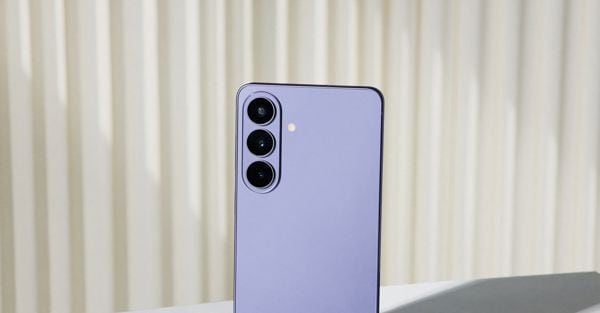
The series comprises S26, S26+ and S26 Ultra. Same aesthetic language. Rounded edges. Photo module inherited from the Samsung Galaxy Z Fold 7. Thickness up to 7.2 mm. Weight between 167 and 214 grams. The Ultra raises the bar. Armor Aluminum 3 shell. Corning Gorilla Armor 2 glass. More resistant. Less reflections. The real breakthrough is in the memory. Goodbye 128 GB. Everyone starts at 256 GB. Up to 1 Terabyte on the Ultra. A clear signal: artificial intelligence is hungry for space. And if it has to run locally, space is needed. The storm is perfect because there is also the expensive memory, Result? Less memory all round and above the Tera of storage memory the prices skyrocket.
Interior AI: less cloud, more silicon
The S26 Ultra is equipped with the fifth-generation Snapdragon 8 Elite. 40% more NPU performance than the previous generation. The other models use the 2 nanometre Exynos 2600. Numbers that count because AI is no longer an app. It is the infrastructure. The message is political as well as technological: less dependence on Gemini and ChatGPT. More intelligence on board. For years, AI was a voice living in the cloud. Every request, a journey. Every response, a return. With costs, latencies, privacy concerns. Now the algorithm is getting closer to the thumb. It's like going from a distant power station to a rooftop photovoltaic system. Less dependency. More control. More speed.


