GAMeC between innovation and community: art that transforms the territory
Interview with Simona Bonaldi (GAMeC president) and the new site in the former sports hall in Bergamo to become a contemporary agora

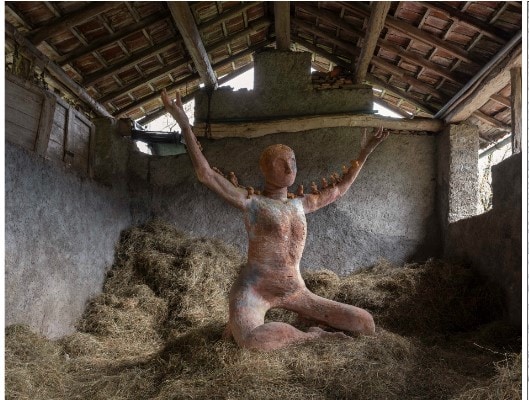
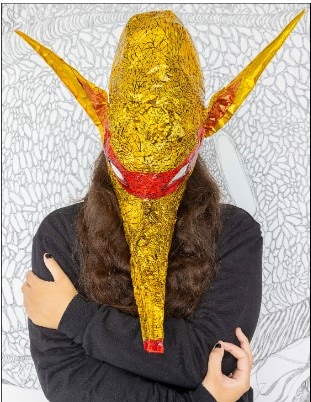
In recent years, the GAMeC - Galleria d'Arte Moderna e Contemporanea di Bergamo under the direction of Lorenzo Giusti has embarked on a path of openness and transformation that looks beyond the museum walls, bringing art into direct contact with the territory and its communities. An emblematic example of this vision is 'Thinking like a mountain', the two-year programme (2024-2025) that has involved the entire province of Bergamo - from the villages of the valleys to the urban parks of the provincial capital - in a broad project of collective reflection on the themes of sustainability, participation and the relationship between man and the environment. A new fruition model that measures success not only in terms of attendance at the venue, but also through widespread participation, the relationships created and the impact of the initiatives in the various contexts of the Bergamo area. In the meantime, the museum venue has continued to offer the public a selection of works from the collections, keeping the exhibition proposal alive. Until 18 January 2026 it is possible to see "TEN", the anthological exhibition of the Atelier dell'Errore (AdE) collective, founded by Luca Santiago Mora and active at the Collezione Maramotti in Reggio Emilia. The exhibition traces ten years of artistic research through drawings, paintings, videos and installations, presenting the work of the group of neurodivergent artists as a collective organism founded on the principles of Animals and Errors.
All of these initiatives anticipate and accompany the forthcoming opening of the museum's new headquarters, which testifies to GAMeC's desire to redefine its role in the local context, experimenting with new forms of relationship between institution, artists and citizens.
With Simona Bonaldi, president of the GAMeC Board of Directors, we talked about how the institution is rethinking its role in the contemporary cultural scene, between territory, participation and new museum models.
What is the significance of the new GAMeC headquarters for Bergamo and for the contemporary art system in Italy?
The new location marks a significant transition. From a former monastery we will move to a former sports hall in the heart of the city, overlooking a central square. It will not only be a larger and more modern building, but a symbol of openness: a museum that becomes a contemporary agora, a space for living as well as for visiting. For Bergamo, it represents confirmation of an industrious and innovative city that invests in culture as an engine for development; but also a national reference pole, capable of dialogue with the great European institutions.
What are the Board's priorities for this new three-year period in terms of planning and development strategies?