
Supreme diesel exceeds 3 euros on the motorway, petrol at record highs: Cabinet meeting today to tackle rising fuel prices
A litre of Supreme diesel on the Brenner motorway has broken the 3-euro mark: €3.159 per litre, the highest price recorded by Codacons by cross-referencing data reported by operators to the Mimit on 24 and 25 August, on the A22 Brenner–Modena section

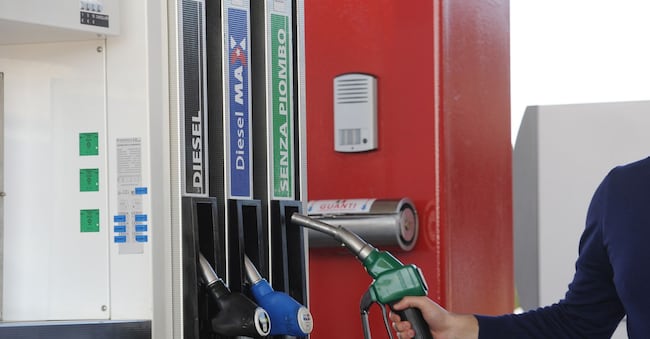
A litre of Supreme diesel on the Brenner motorway has broken the €3 mark: €3.159 per litre, the highest price recorded by Codacons by cross-referencing data reported by operators to the Mimit on 24 and 25 August, on the A22 Brenner–Modena section. An isolated case, but not the only sign of a price surge that has been continuing for days, whilst the international oil prices fall.
The new prices released by the Mimit Fuel Observatory confirm the trend. On the national road network, at self-service stations, petrol has risen to 2.015 euros per litre (2.010 the previous day) and diesel to 2.136 euros (2.131 two days earlier). On motorways, the increases are smaller in absolute terms but start from a higher base: 2.091 euros per litre for petrol (2.088 yesterday) and 2.207 euros for diesel (2.204 yesterday). These are small rises, in the order of a few thousandths, but they have been continuing for several days.
Other cases
In addition to the Brenner Pass, Codacons reports that diesel is being sold at 2.729 euros per litre on the A21 Turin–Piacenza motorway and at 2.799 euros in Pantelleria, where transport costs to the smaller islands are a significant factor. “No one is claiming that tomorrow all Italians will be paying €3 for a litre of fuel, but the very fact that this threshold has already been exceeded at some petrol stations should set alarm bells ringing,” says the association, which believes the risk is that the 3-euro mark will cease to be an exception and become an increasingly imminent reality for motorists.
Today’s Council of Ministers meeting
The rise in share prices comes as the government prepares for today a Cabinet meeting on the subject, at which it is expected that the discount, which is due to expire, will be extended. Also on the table is the possibility of considering new measures aimed at those on the lowest incomes, such as a refund linked to the social card for those with a very low ISEE, to be introduced perhaps in early September. In the background, the political debate continues over a possible tax on extra profits made by oil companies.
Controversy over selective surgery
Consumer organisations reject the idea of selective intervention. According to the UNC, which describes it as a ‘band-aid solution’, the government should cut excise duties by 30 centesimi on diesel and 14 on petrol rather than, in the words of its president Massimiliano Dona, ‘pass the buck to Europe, asking them to tax windfall profits, so as to have an excuse to blame others’.

