
Gaza, Caritas: 'The water crisis has reached dramatic levels'
Years of infrastructure damage led to the collapse of wells, water networks and desalination plants

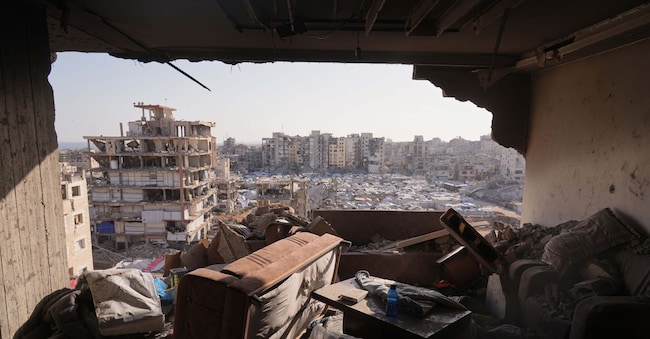
There is no water in Gaza. The latest testimony comes from Caritas Jerusalem, which denounces a water crisis that has reached "dramatic levels" and explains that "years of damage to infrastructure have led to the collapse of wells, water networks and desalination plants, making what once sustained life unreliable or unsafe". The population, especially the most fragile, pays the price.
The report released by Sir, the press agency linked to the Italian Episcopal Conference, tells of children 'travelling long distances with empty containers, while families try to divide the available water between essential needs, often aware that it is not drinkable'. According to the latest assessment of the World Health Organisation, the average amount of fresh, clean water available to Gazawis every day is between 3 and 6 litres when the minimum amount per person should be 15.
Nothing works in the Strip: the coastal aquifer, the main source of fresh water, is contaminated with untreated sewage, saline seepage and rubble, but when there is no alternative route, it is the only choice for the population. The result is that 75 per cent of the inhabitants drink contaminated, brackish water, with obvious health consequences: an increase in acute diarrhoea and Hepatitis A. For many children,' the report states, 'the disease is no longer an exception, but a recurring condition.
"To produce the energy needed to desalinate and purify sea water," explain Emergency's operators, who are active in two clinics in Gaza and visit between 400 and 600 patients a day, "power generators are needed, but they work poorly because there is a lack of spare parts and oil to lubricate the engines, but fuel is also becoming increasingly expensive and difficult to find. Food preparation,' they explain, 'often done by burning rubbish and plastics, also adds danger to an already critical situation. Lack of hygiene and the presence of rats and lice contribute to skin and gastro-intestinal diseases.
Health care is collapsing
'In the weekly meeting with the Ministry of Health, the World Health Organisation and the NGOs,' Emergency explains, 'the Minister of Health denounced the lack of stocks for half of the essential medicines, as well as 80% of laboratory equipment. He stated that cancer treatments are not available and that there is currently no psychiatric hospital, despite the fact that more than 1 million people suffer from mental health problems: 65% of people have anxiety disorders, 70% depression and 80% suffer from post-traumatic stress disorder'.


