
Geckomile, the start-up that reveals the environmental cost of deliveries
The Italian start-up incorporates a greenhouse gas indicator for each delivery method into its online checkouts, encouraging more sustainable and informed purchasing decisions

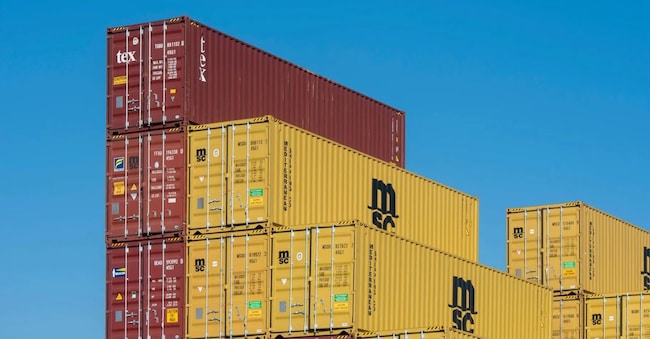
In Italia, 3.3 million parcels are delivered every day. This logistics machine is fuelled by the growth of e-commerce, which is set to be worth €66.6 billion by 2026. Of this figure, €42.6 billion relates to physical goods that need to be packed, loaded onto a vehicle and delivered to the customer’s home.
Geckomile aims to highlight the impact of this process. The start-up, founded in 2025 as a spin-off from the Politecnico di Milano, has developed a programme that integrates with retailers’ websites and displays, at the checkout, the emissions associated with the various delivery methods. Alongside the price and delivery date, another piece of information is displayed: the estimated amount of greenhouse gases produced by the parcel’s journey.
Customers can compare home delivery with collection from a shop, a locker or a local collection point. The system takes into account the operations and infrastructure required for dispatch. A wide range of data is used: mode of transport, warehouse location, the recipient’s postcode, parcel weight and delivery method.
The most environmentally friendly option isn’t always the one you’d expect. A collection point allows the courier to drop off several parcels at the same location and reduces the risk of the recipient being absent; however, this benefit may be offset if the customer drives to the collection point. Home delivery can also be efficient in neighbourhoods where many orders are concentrated within a few kilometres. Factors such as the distance from the warehouse, how full the van is, failed delivery attempts and returns all play a part.
Geckomile was founded by a group led by Riccardo Mangiaracina and Angela Tumino, lecturers at the Politecnico di Milano, together with Giovanni Papagno, the managing director. The platform uses Shipminds – which specialises in distribution and logistics services – for the analysis of shipping data, and the software company Teras for technological development.

