
Generational change, the land knot holds back young Italian farmers
High land costs and limited access to land remain the main obstacle to starting up new farms under 40
by Alessio Romeo (Il Sole 24 Ore) and Ana Somavilla (El Confidencial, Spain)
 Aggiungi Il Sole 24 Ore
ai preferiti su Google
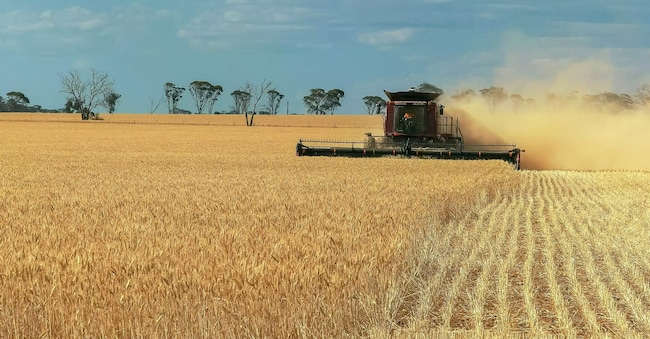
In Italia, access to land remains the main obstacle to generational change in agriculture. In spite of the numerous incentives and national programmes, in addition to the start-up premium and the measures dedicated to young people financed by the EU through the regions' rural development programmes, the cost of land (well above the European average, 22,400 euros per hectare against 15,000 according to Eurostat, with most of the purchases and sales concerning land rearrangement operations rather than new purchases) is the first practical obstacle to opening a new farm.
However, interest in the sector is growing and the perception of the figure of the agricultural entrepreneur has totally changed (for the better) in recent years, also helped by the sharp rise in the cost of living in the big cities. Currently, according to Coldiretti, there are about 50,000 young farmers working in the Italian countryside. In absolute terms, the regions with the largest number of young agricultural enterprises are Sicily (6,100 companies), Apulia (5 thousand) and Campania (4,800).
The most popular production direction among young farmers is cereals (wheat, maize, grain legumes), chosen by 16% of businesses, ahead of fruit and vegetables (13%), livestock farming (11%), wine (11%) and oil (9%). What characterises businesses led by young people is the drive towards innovation and multifunctionality, with the diversification of agricultural activity towards services such as agritourism and social agriculture. According to the latest report of the National Rural Network, the average productivity per surface area of Italian youth-led enterprises is 4,500 euros per hectare, double the European average, with 2.5 billion euros invested in agriculture 4.0 and 5.0.
The Italy framework is set in a highly uneven European context. In the EU, on average, only 12% of farm managers are under 40 years old, a share that the Commission aims to double in order to preserve competitiveness, innovation and resilience of the primary sector. Some countries, however, show more favourable dynamics. This is the case in Poland, where about one out of five farmers is under 40 years of age: a much higher presence of young people than the EU average, sustained by family continuity, a greater availability of land and the integration of traditional practices, digital technologies and new forms of rural entrepreneurship.
Some regions in France are also a model for public policies on access to land. Land intermediation tools and an active role of the state have facilitated the entry of new farmers, often young people without an agricultural heritage. Austria, on the other hand, is characterised by a high incidence of young farmers and a strong orientation towards organic and sustainable agriculture, accompanied by diversification strategies that stabilise income in rural areas.

