


Un Paese sempre più vecchio e sempre più ignorante
di Francesco Billari


4' min read
4' min read
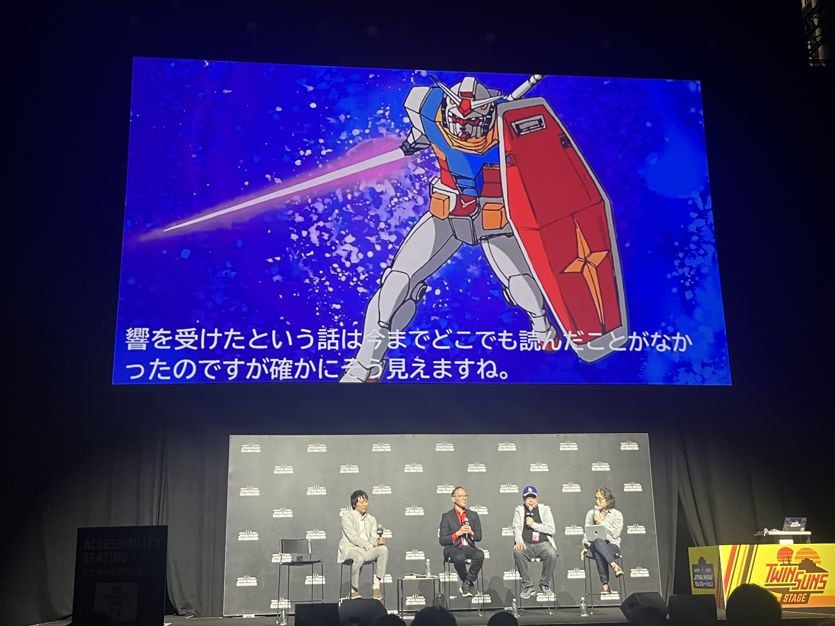
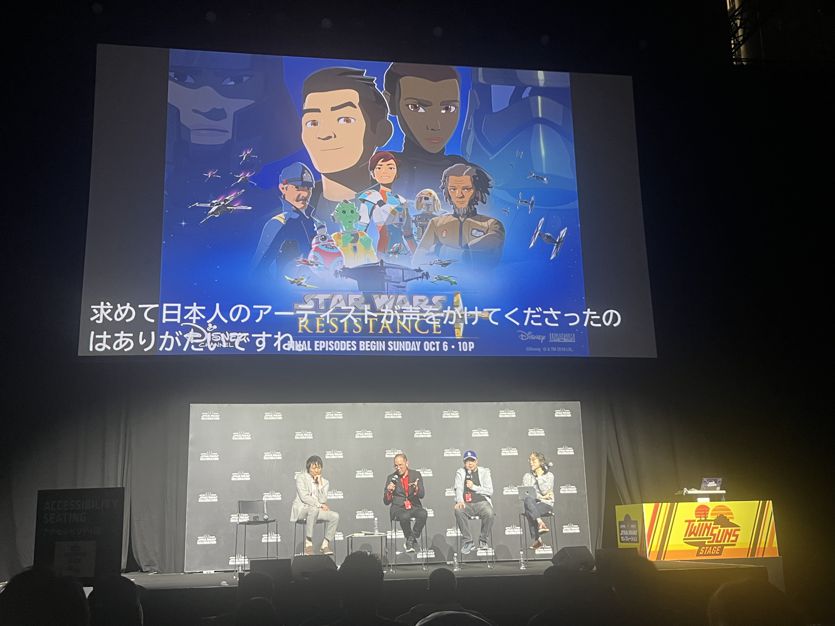
Tokyo - Akira Kurosawa's feudal Japan and George Lucas's galaxy far, far away take the form of a 'collective impulse' under the pavilion of the Star Wars Celebration. We are in Chiba, one of the neighbouring prefectures on the bay, an hour away from the city's historic centre, occupied by the Imperial Palace. One hundred thousand attendees from over 25 countries: the convention celebrating Star Wars and its franchise - $12 billion in revenue since Disney bought Lucasfilm in 2012 - brings cosplayers and scholars of the phenomenon to Japan's capital, starting in 1977, with the prophetic A New Hope, where we first met imperial stormtroopers, rebels, Sith and Jedi. Discussing the relationship between Eastern aesthetics and one of the definitive mythologies of Western pop culture in a panel were Roland Kelts (author of Japanamerica, published by Macmillan Publishers), veteran anime expert Shuzo Shiota (president of Polygon Pictures), Mitsuyasu Sakai (screenwriter of The Duel, based on Star Wars: Visions) and Taiki Sakurai (producer/screenwriter of Ghost in the Shell: Stand Alone Complex and founder of Salamander Pictures).
"Star Wars was not born in a vacuum," explains Shuzo Shiota, who with his studio produced some Star Wars episodes using anime and computer graphics. "George Lucas's thinking, at the dawn of the 1970s, was invaded by three currents: American space serials, universal myths, and - crucially - Japanese cinematic and cultural traditions."
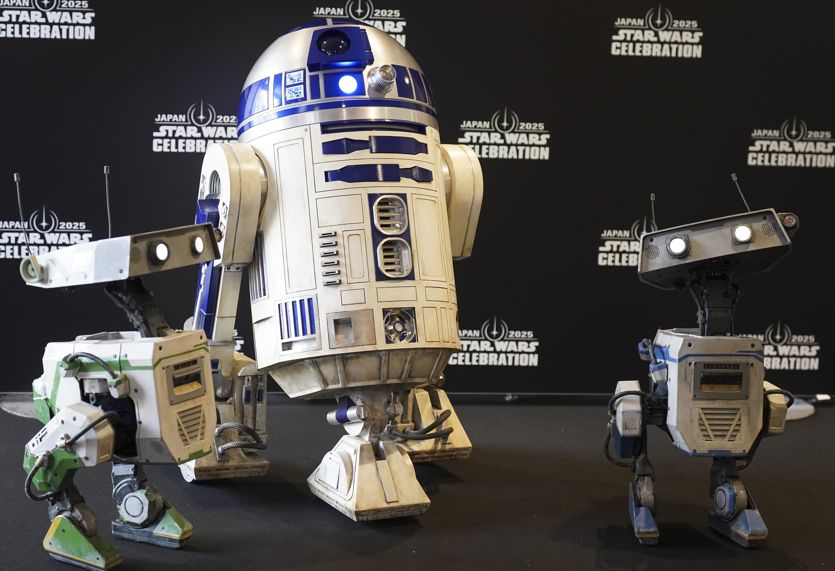
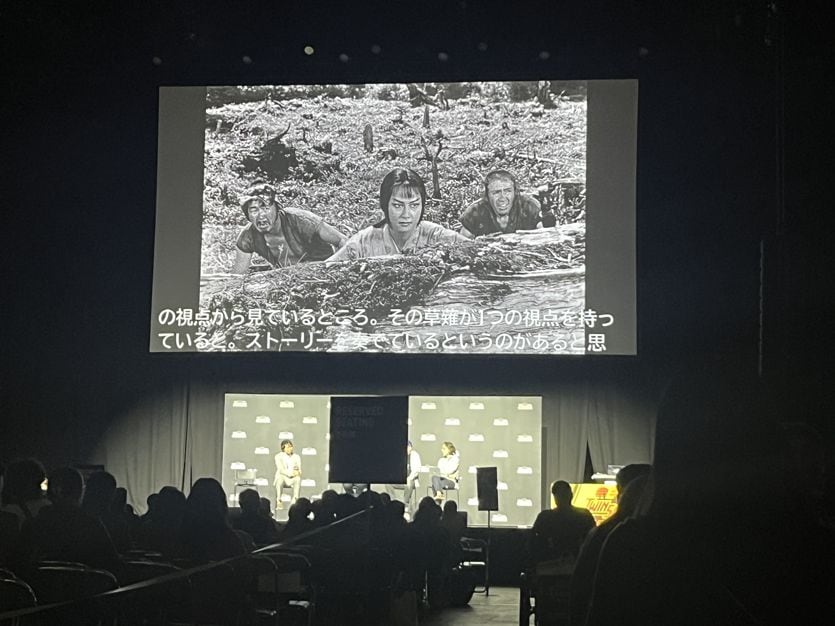
The most direct lineage goes back to Kurosawa's 1958 milestone, The Hidden Fortress, a historical jidaigeki that follows two quarrelsome peasants who unwittingly become involved in the escape of a princess from enemy territory. George Lucas acknowledged this influence: "What really struck me about The Hidden Fortress was the fact that the story was being told by the two lowest-ranking characters. I decided it would be a good way to tell the Star Wars adventures. A basis for making C-3PO and R2-D2 our entry point into the vast space opera'.
But the Japanese influences run even deeper than that. The very word Jedi seems to derive from those historical films with the samurai and their code of honour at their centre. Like the samurai, Jedi knights are warrior-monks bound by strict philosophical disciplines. And they wield (laser) swords to maintain peace through the Force, in a world of political machinations. Their flowing robes, ceremonial combat and even the hairstyles of some masters echo centuries of samurai iconography. "What Lucas has borrowed has more than just aesthetic value," observes Mitsuyasa Sakai. "The spiritual underpinnings of the Force bear a striking resemblance to the concepts of Buddhism and Shintoism - particularly the idea that energy flows through all living things, holding them together, anchored in a universal web." A spiritual framework in stark contrast to Western Judeo-Christian traditions that typically position humans as exceptional beings with dominion over nature. "In Japanese spiritual traditions, humans exist simply as an expression of consciousness within an interconnected universe, a perspective that permeates the mystical properties of the Force."
Even Darth Vader, perhaps the most iconic villain in cinema, literally wears his Japanese influences. Remember the imposing crest and armour? They recall the Kabuto helmets and elaborate armour of Japanese feudal warlords. Besides Kurosawa, Lucas' saga shares its charisma with the robust Japanese tradition of space anime.

