
German car crisis: following in the footsteps of the Volkswagen Group, BMW is also set to cut back on its model range
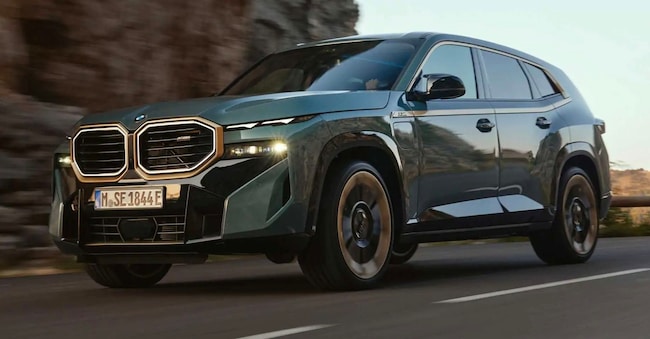
The X4, 8 Series and Z4 have already been scrapped, whilst the iX and XM are also at risk

Key points
The crisis in the German car industry continues to take its toll, not only in terms of sales figures but also on the product range. After years in which German premium manufacturers were able to offer line-ups bordering on the colossal, with a range covering virtually every market niche – very often creating new sub-categories – the time has now come for the German automotive powerhouse to streamline and reduce its range. Model cuts are set to affect BMW as well, following the reductions already announced by the Volkswagen Group and Mercedes.
BMW: models that are no longer in production
BMW has already begun to scale back its range, by not producing successors to models such as the X4, the 8 Series in its coupé, convertible and Gran Coupé versions, and, above all, an icon such as the Z4. First produced in 2002, the discontinuation of the Z4 sums up very well how the car market is changing, with the slow but inexorable disappearance of certain models
“delicious treats” that aren’t too expensive.
BMW: the IX and XM at risk
The BMW range could see the definitive withdrawal of two further large SUVs, namely the all-electric iX and the XM plug-in hybrid. As neither has been as well received by the public as the Munich-based manufacturer had anticipated, they are set to be phased out in the interests of streamlining the range, but above all to make way for the Neue Klasse family – the platform first introduced with the all-electric iX3 and now available in a multi-energy version on the latest generation of the X5.
The Volkswagen Group case
What may happen at BMW follows the announcement by the Volkswagen Group, which has stated that its model range will be progressively streamlined by up to 50 per cent and focused on the most attractive market segments. At the same time, the complexity of the range – for example, in terms of available configurations and equipment – will be reduced by up to 75 per cent. Taking Audi as an example, the Ingolstadt-based brand has streamlined its range by discontinuing the A1 and Q2, focusing new and upcoming models on three platforms: MEB and PPE for electric vehicles and PPC for hybrid models.

