
German bet for Tsmc: start of construction of maxi-chip plant in Dresden
The factory, in the Land that produces a third of Europe's semiconductors, will be operational by 2027 and will create 6,000 jobs. Investment of 10 billion, 5 public
3' min read
Key points
3' min read
Saxony, one of the former GDR states in East Germany, boasts a particularly coveted record these days: being the largest semiconductor manufacturer in Europe. Every third European chip comes from 'Silicon Saxony', an area at the forefront of microelectronic innovation since the 1960s around Dresden (and beyond) and now considered the largest chip cluster in Europe.
Joint venture and public support
It is therefore not surprising that today, Tuesday, as reported by Handelsblatt, C.C.Wei, managing director of Taiwan TSMC, the world's leading manufacturer of computer chips, will lay the foundation stone in the Saxon capital to start construction of a 300 millimetre semiconductor production facility. The new factory will be operational by 2027, will have a monthly production capacity of 40,000 wafers, and could create 6,000 jobs in a few years. It is a joint venture between TSMC and Bosch, Infineon, NXP - these three with 10 per cent each - and will cost over 10 billion euros: 5 billion will be paid by the federal state.
The microtechnology and semiconductor sector notoriously absorbs huge amounts of public and private investment. For some years now, a worldwide race for subsidies and tax breaks to boost chip and wafer production has been on. A recent report by SIA (Semiconductor industry association) and Boston Consulting calculated that the key public incentives allocated to semiconductors now amount to $52 billion in the USA, $142 billion (equity funds) in China, $47 billion in Europe, $17.5 billion in Japan, $55 billion in South Korea and $16 billion in Taiwan.
The Opportunities of the EU Chips Act
Effective from September 2023, the EU Chips Act aims to mobilise investment in semiconductors through three funding instruments: Invest EU, EIB and the European Innovation Council. Germany can benefit from the openings of this EU law, which allows member states to subsidise more underdeveloped regions, e.g. Saxony.
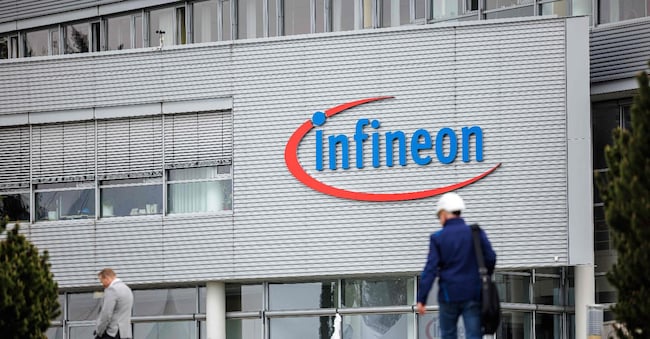
TSMC is indeed not alone in its focus on Dresden. The American chip giant Globalfoundries has announced that it will double its plant in the Silicon Sassony with the aim of increasing production from the current 400,000 to one million wafers produced annually, investing one billion euros. But it has even more ambitious plans (planning investments in the area of up to 8 billion), provided the federal state does its part by putting up 4 billion in public money, to finance half of the project. Bosch has also decided to invest a billion to build Europe's first fully digitalised semiconductor production plant in Dresden: an initiative that is expected to create 700 new jobs. And also in Dresden, Infineon intends to invest 2.4 billion to expand the production of chips for mobile phones and cars. Jenoptik and X-Fab are also building new plants or expanding existing ones in Silicon Sassony.


