
Germany, Patrician-Gasunie agreement to store hydrogen in salt caverns
The first agreement in Europe between the German multinational and the Dutch energy infrastructure company has been signed: underground storage facilities at the Etzel plant in Lower Saxony, where oil and gas are already stored, will also become hydrogen storage facilities
3' min read
Key points
3' min read
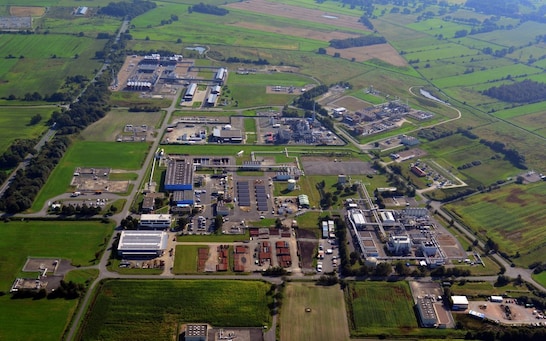
Underground caverns in Lower Saxony - already storage for oil and gas on a large scale - will also become storage for hydrogen. Patrizia SE and Storag Etzel (Patrizia's wholly-owned operating company) have signed a lease agreement with the Dutch energy infrastructure company Gasunie for the development of caverns for hydrogen storage at the Etzel cavern plant in Lower Saxony. According to the agreement, Storag Etzel - which has operated oil and gas storage facilities in underground caverns for more than 50 years - will develop the same storage facility for hydrogen storage.
The agreement includes an option to store more than 1 TWh of hydrogen (which is equal to 1,000 million kilowatt hours and provides hot water and heat to 100,000 average households per year). The 'H2CAST Etzel' hydrogen storage pilot project, conducted by Storag Etzel, Gasunie and other partners from 2022/2023, is expected to demonstrate the feasibility of hydrogen storage in Etzel's underground caverns.
The pilot project
.The hydrogen storage pilot project called 'H2CAST Etzel' includes the conversion of two caverns into hydrogen storage caverns, the construction of an above-ground plant and a subsequent test and research phase that will be completed by the end of 2026. The pilot project is financed by the German federal government and the state government of Lower Saxony with an investment covering more than one third of the total costs of the pilot test.
The objective of the pilot test is to demonstrate the feasibility of high-volume hydrogen storage in underground caverns with an industrial-scale storage volume. The test will be conducted under real-world conditions, including injection and withdrawal of hydrogen in multi-cycle operation, purification of the hydrogen gas and testing of the integrity of the storage facility.
Currently, the salt dome comprises 75 caverns in operation that today store 3.9 billion cubic metres of natural gas and can store a further 10 million cubic metres of crude oil. Etzel's underground facility can be expanded to 99 caverns already approved, which represents an additional capacity of 24 caverns with the equivalent of approximately five TWhH2. Due to the lower calorific value of H2, the required storage volume for hydrogen is four times larger than for natural gas.

