
Germany: Coface, payment delays increase but remains a key market
81% of German companies report new delays (+3% compared to 2024), approaching the peak of 85% reached in 2019. Construction sector hardest hit

3' min read
3' min read
In Germany there is a 'significant deterioration in payment terms' among companies with delays increasing for the fourth year in a row. However, the country "stands out for its payment terms and delays being among the shortest". This is the finding of Coface's ninth survey on payment behaviour of German companies, conducted in May and June 2025 on a sample of 847 companies.
81% of companies report new payment delays (+3% compared to 2024), a figure close to the peak of 85% reached in 2019. The average duration of delays increased by one day to 31.8 days. Despite the deterioration, the figure remains well below the pre-pandemic average (39.7 days). This year, moreover, 84% of German companies concede payment terms, a record high since 2016. At the same time, the report explains, Germany's customary predilection for short payment terms has further strengthened: 92% of the companies surveyed request payment within 60 days, the same level as in 2016. Despite these changes, the average payment term remained almost unchanged at 32.5 days (compared to 32.1 in 2024).
The construction sector is the most affected
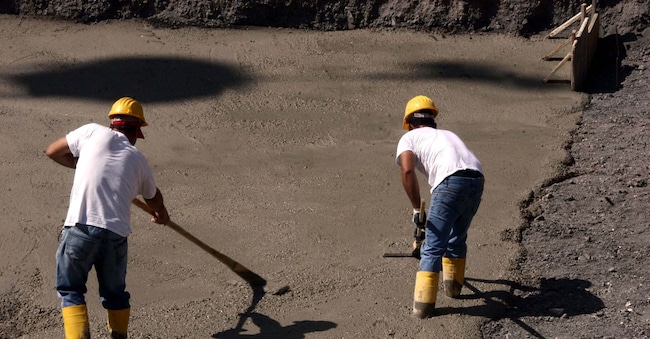
.Financial risk remains a concern. Twelve per cent of companies reported long payment delays (between six months and two years) exceeding two per cent of their annual turnover. Although this figure is slightly down from 2024, it remains well above the pre-Covid average. The construction sector is the most affected, with 24% of companies reporting delays. According to Coface's experience, "80% of these delays are never recovered, thus representing a significant business risk and a negative economic signal".
Pessimism about the economy, encouraging signs for 2026
After three years of economic stagnation, German companies are seeing an improvement. While the overall sentiment for 2025 remains negative - the share of pessimists exceeds that of optimists by 17 percentage points - the outlook for 2026 is more encouraging, with optimists prevailing (+16 points), thanks to planned stimulus measures: defence investments, infrastructure, climate transition and tax incentives for companies. "All these measures provide some hope for Germany, at the centre of the European economy, despite the political and economic challenges, both internal and external",
Germany remains a key market
.Despite concerns about domestic demand and structural constraints, Germany, along with the EU and Efta (European Free Trade Association) countries, remains the most promising market according to those surveyed. The United States, on the other hand, has lost attractiveness, returning to the popularity levels of Donald Trump's first term. Uncertainties in US, and global, trade policy are probably one of the main causes. For this reason, 23% of companies have already implemented 'de-risking' strategies (supplier diversification, payment security, relocation). According to respondents' estimates, this percentage is expected to reach 54% in the next three years, particularly in export-oriented sectors.


