
Germany, compulsory authorisation of the army for long periods abroad
The rule, which came into force on 1 January, requires male citizens between the ages of 17 and 45 to apply for an authorisation for stays abroad of more than three months

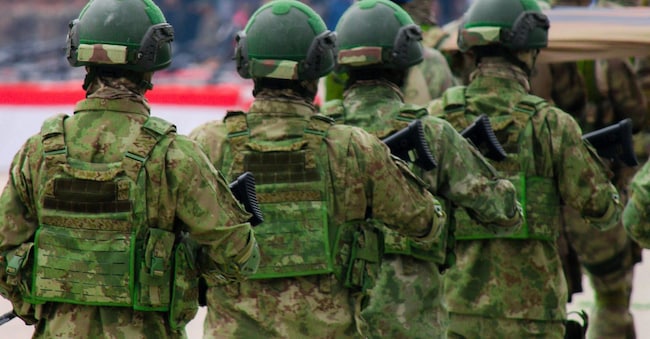
There is a regulation inserted almost under the radar in the German military service reform, which came into force on 1 January, that aims to strengthen the Bundeswehr, i.e. the German federal armed forces, without immediately reintroducing compulsory conscription. The law stipulates that male German citizens living in Germany, on reaching the age of 18, fill out a compulsory questionnaire to assess their readiness and suitability for military service.
But it is a specific clause, which has only emerged in recent days after a reconstruction by the Frankfurter Rundschau, that has caught the attention: men between 17 and 45 must apply for prior authorisation for stays abroad of more than three months, even in peacetime.
The Ministry of Defence, led byBoris Pistorius, confirmed the existence of the provision, clarifying that it is a regulatory tool designed to allow the state to know the whereabouts of potential conscripts in case of need. "According to the wording of the law, males aged 17 years or older are obliged to apply for prior authorisation from the relevant recruitment centre," a spokesperson explained, pointing out thatthe obligation lapses when they turn 45.
German defence policy has long been undergoing a review, accelerated by the deterioration of the European security environment after the Russian invasion of Ukraine. Berlin has already embarked on a strengthening of its military capabilities, including by increasing defence spending and relaunching the debate on the draft, which was suspended in 2011. Pistorius explicitly indicated that, should the new voluntary model not guarantee sufficient numbers,the parliament could be called upon to discuss the reintroduction of compulsory conscription.
Despite the uproar, the ministry tends to downplay the concrete impact of the clause. The rule, they explain from Berlin, takes up provisions that already existed during the Cold War and were never applied in a substantial way. No sanctions are envisaged and, as things stand, authorisations should be granted automatically. "We will clarify through administrative regulations that the authorisation is considered to be granted as long as the service remains voluntary," the spokesman added, emphasising that the procedure will in fact be a formality in the absence of security emergencies.

