
European elections: defeat for the Traffic Light Coalition, AfD and Extreme Left advance in Germany
Alternative für Deutschland, a far-right party that has never entered a federal or regional government so far, became the second largest party. The Social Democrats of the SPD recorded the worst vote in their history, 13.9%.

4' min read
Key points
4' min read
These were the European elections with the highest turnout since the reunification of the two Germanies, with almost 65% of the nearly 65 million Germans eligible to vote going to the polls. And for the first time, the minimum age was 16. But this election round will go down in history for something else, for the defeat of the two main parties of the federal government and the victory of the two extreme right and extreme left parties.
The Social Democrats of the SPD, the strongest party in the ruling coalition, recorded the worst vote in their history, 13.9%, going below the historic low of 15.8% in the 2019 European elections. The Greens, the second largest party in the federal government, suffered the worst decline of all and dropped 8.6 per cent to 11.9 per cent: it is precisely the young and very young who have fled from green issues.
AfD second party, BSW well over quorum, Liberals well
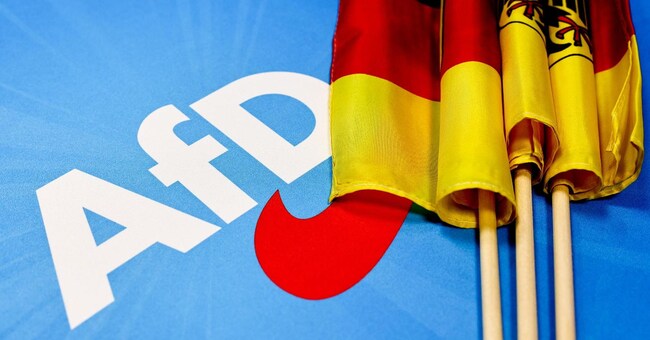
Alternative für Deutschland (AfD), an extreme right-wing party that has never entered a federal or regional government so far, became the second largest party in Germany and first in East Germany, winning a record result at 15.9% despite the scandals that engulfed its leading candidates for the European elections on the eve of the vote.
The other party with extreme positions, but to the left, is Alliance Bündnis Sahra Wagenknecht (BSW). Founded last January by breaking away from Die Linke, this new party led by its charismatic leader Sahra Wagenknecht debuted in these elections with 6.2%, going well above the 5% threshold in the German parliament. Satisfied with the vote were also the Liberals, the governing party of the semaphore coalition with the smallest percentage but with the key ministry of finance: the Fdp managed to stay above 5%, which was by no means a foregone conclusion in the predictions, but registering 5.2% it still suffered a 0.2% drop compared to the 2019 elections.
Finally, despite appearances as the first party in Germany, it did not go so well for the centre-right Union. Cdu-Csu rose slightly to 30% compared to 28.9% in the 2019 European elections (+1.1% all coming from Cdu). This is a modest result because it is not enough to dominate the political scene and at the moment would not be enough to form a new Grand Coalition government with the Social Democrats as in the days of Angela Merkel.


