Broken-down locomotive

Germany, government revises downward GDP estimate for 2026

Previous generous forecasts cut: estimates in line with leading economic institutes

by Gianluca Di Donfrancesco

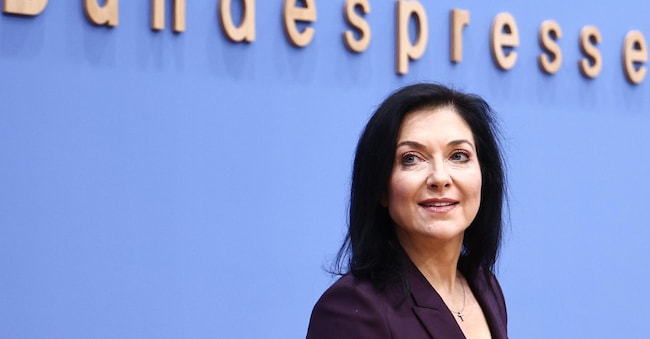
La ministra dell’Economia, Katherina Reiche (EPA)

2' min read

Translated by AI
Versione italiana

2' min read

Translated by AI
Versione italiana

In the name of realism, the German government lowered its growth estimates for Europe's leading economy, bringing its own forecasts for 2026 in line with those of the country's leading institutes, the Bundesbank and the International Monetary Fund.

For the current year, the GDP growth estimates thus drop to 1 per cent, compared to the 1.3 indicated in October. For 2027, the Ministry of Economic Affairs is now aiming for a growth of 1.3 % (against the previously estimated 1.4 %).

Loading...

Nodes

In December, the Bundesbank forecast growth of 0.9 per cent this year, one third of which was attributable to more working days.

The German economy dodged a new contraction in 2025, following those of the previous two years. GDP rose by only 0.2 per cent, weighed down by structural problems that will take several years to overcome and by international tensions ignited by the mercantilist foreign policy of the United States, which held back German manufacturing industry more than expected.

In the report presented on Wednesday, 28 January, the Ministry of the Economy forecasts only a weak increase in exports (+0.8%) and private consumption (+0.8%), while public consumption will rise by 2.4%, offering the largest contribution to overall growth in 2026.

The growth potential of the economy has also been lowered: from a historical average of more than 1%, it is now forecast at 0.5% for the coming years.

Public spending

During 2026, the government's big public spending plan should really start to take effect, with the EUR 500 billion fund over 12 years for infrastructure, approved in March, as an exception to the debt brake. By the end of 2025, only 24 billion had been invested. The Ministry of Economy calculates that public sector spending, including investment incentives, will account for about two-thirds of growth in 2026.

As Minister Katherina Reiche admitted, 'the impulse expected from the financial and economic policy measures did not materialise as quickly and to the extent we had assumed'. However, the data indicate a 'clear recovery'.

Expenditure on infrastructure, which is more than necessary to modernise transport networks that have been neglected for too long, is complemented by large defence budgets, which are themselves largely exempt from the debt brake.

Trust

To put Germany back on a sustained and above all sustainable growth path, however, public investment will not be enough. It will be necessary to revive private investments, which are preponderant in Germany. Economists and business groups warn, however, that bolder structural reforms are needed. Furthermore, they observe that increased public spending, instead of financing new projects, risks being used to cover holes in the public budget.

Business confidence meanwhile is slow to recover: the Ifo index remained stagnant in January, after two months of decline

Copyright reserved ©
Loading...

Brand connect

Loading...

Newsletter

Notizie e approfondimenti sugli avvenimenti politici, economici e finanziari.

Iscriviti