
Germany: industrial strike – over 23,000 workers affected
The protest follows Friday’s strikes, in which, according to the trade union, around 12,300 employees from 17 plants in northern Germany took part

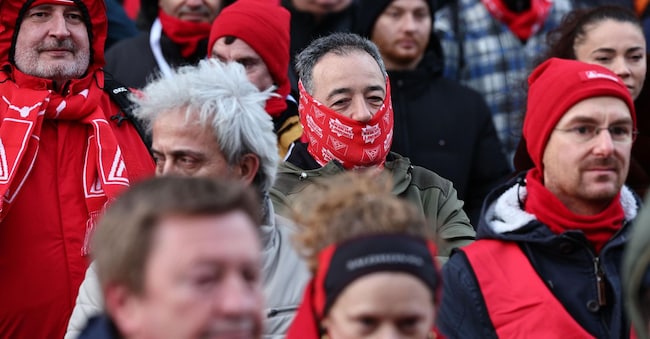
A new wave of strikes in German industry. The trade union IG Metall has announced an extension of the protests in northern Germany, calling on over 23,000 workers at 19 plants to down tools for 24 hours between Sunday 22 and Monday 23 November. The industrial action will involve, amongst others, the Mercedes-Benz plants in Bremen and Hamburg, the Meyer Werft shipyards in Papenburg and the Siemens Gamesa wind turbine factory in Cuxhaven.
The first work stoppages are expected as early as this evening, when the night shifts begin. The protest follows Friday’s strikes, in which, according to the trade union, around 12,300 employees from 17 plants in northern Germany took part.
At the heart of the dispute lies the renewal of the collective agreement for the metalworking and electrical engineering industry, which affects around 3.7 million workers nationwide, 130,000 of whom are in the northern regions involved in the new industrial action.
IG Metall is calling for a 5 per cent pay rise, accompanied by guarantees on job security and the future of production sites. The union has stated that it is willing to discuss exemptions from sectoral agreements in exchange for binding commitments from companies regarding investment, production and jobs.
The proposal put forward by the business associations, on the other hand, provides for a one-off payment in July 2027 – which could be waived for companies in difficulty – and a structural pay rise of 1.3 per cent only from July 2028, as part of a 26-month agreement. According to employers, the sector’s economic situation, characterised by high costs and weak demand, calls for caution regarding pay rises.

