
Germany, up to EUR 2,000 tax-free for those working beyond retirement age
Merz's plan could cost 890 million and aims to address the shortage of skilled labour
by Lorenzo Pace
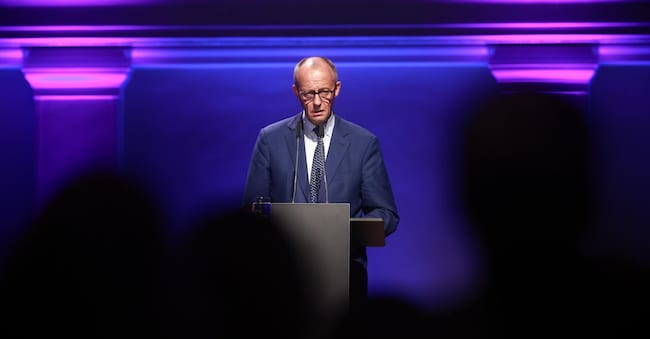
Convincing the older population to postpone retirement in order to deal with the shortage of skilled labour. This is the move by German Chancellor Friedrich Merz to revive Germany's economy, after ending 2023 and 2024 in recession and with industrial production continuing to fall.
According to the Financial Times, Merz's plan for 2026 envisages that those who choose to work beyond retirement age will be able to earn up to two thousand euros tax-free, a plan that is expected to be approved on Wednesday 15 October.
The costs of the intervention will be analysed. Estimates, at the moment, would be 890 million, but these could increase depending on how many pensioners choose to join.
The retirement age in Germany is 67 years and, today, it is already allowed to work after that age. The government is trying to incentivise this workforce to retain those with skills and experience.
"The German labour market," reads the draft law, "is facing structural challenges due to demographic change. The baby boomers will gradually retire in the coming years, while fewer young people are entering the labour market. This is leading to a shortage of skilled workers in many sectors.

