Cinema

Giffoni Film Festival and ‘Le cose impossibili’: opening night with Bella Ramsey

From 17 to 25 July, the 56th edition of the children’s film festival, featuring 104 films in competition

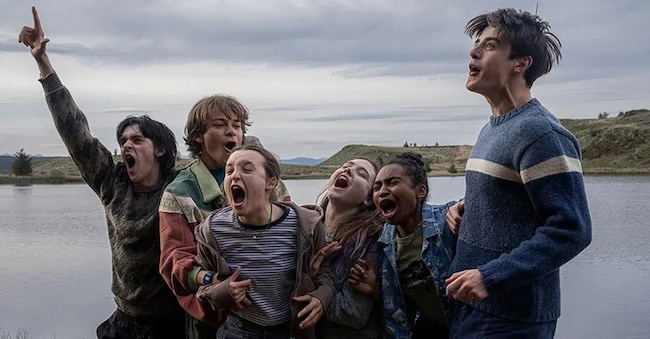
Una scena di «Sunny Dancer», film con Bella Ramsey che inaugura Giffoni 2026

3' min read

Translated by AI
Versione italiana

3' min read

Translated by AI
Versione italiana

The 56th edition of the Giffoni Film Festival, a festival dedicated to children’s cinema, taking place from 17 to 25 July. For nine days, Giffoni Valle Piana will welcome young jurors from all over the world, who will be tasked with assessing the 104 films in competition, including feature-length and short films selected from thousands of international entries.

The overarching theme of this year’s festival is intended as an invitation to transcend boundaries – geographical, cultural and personal – and to transform what seems unattainable into a tangible opportunity for change. The festival thus once again focuses on the great questions of our time: the construction of identity, the need to belong, our relationships with others and with the world, fragility and the desire for a future.

Loading...

The festival will be officially opened on 17 July by Sunny Dancer by George Jaques, in the presence of the director and the lead actress Bella Ramsey, known for her role in the Game of Thrones series. The film, an ironic and irreverent coming-of-age story, follows young Ivy through a summer destined to change her life, amidst rebellion, friendships and new realisations. Perfectly in keeping with the festival’s theme, Sunny Dancer explores resilience and the ability to reinvent oneself, offering an authentic insight into the complexities of growing up.

But it is above all in the wealth of the competition sections that the true spirit of Giffoni 56 comes to the fore. For the youngest viewers, the Elements +3 section offers a world of wonder and discovery, where films such as Bug’s Story by Natalia Malykhina Bratli, Dancing Friend by Elena Walf or Cloud Fish by Noé Garcia tell the story of the formation of first friendships and children’s encounters with the world around them, whilst works such as Rub by Júlia Francino and The Little Train by Angel Wang guide children through delicate and imaginative journeys of growth.

With Elements +6, the story is enriched with adventure and responsibility: films such as Born in the Jungle by Edmunds Jansons or Garuda: Dare to Dream by Ronny Gani speak of courage and dreams, whilst Smartie and Me by Kacper Lisowski and Super Furball and the Lying Squirrel by Joona Tena tackle the themes of justice and environmental protection. These are complemented by significant short films such as Alby – The Last Tree by Alessandro Parrello and Jeans by Gaia Marotta, which reflect on identity and transformation.

The transition to pre-adolescence is explored in the Elements +10 section, with more complex and introspective stories: Back to Tottori by Arild Østin Ommundsen and Silje Salomonsen explores the bond between sisters, whilst Barry & Me by Markus Welter and Children of the Resistance by Christophe Barratier focus on friendship and memory. Films such as Just Call Me Frida by Katja Benrath and Olivia and the Invisible Earthquake by Irene Iborra, on the other hand, tackle personal fragility and financial hardship with sensitivity and imagination.

As we enter adolescence, the Generator +13 section offers a direct insight into the tensions surrounding identity: The Altar Boys by Piotr Domalewski explores the relationship with the adult world, Hold Onto Me by Myrsini Aristidou focuses on rebuilding family ties, whilst Bros by the sisters Rodríguez Colás and Everyone’s Sorry Nowadays by Frederike Migom tackle social inequalities and emotional fragility. In this context, Trad by Lance Daly reflects on the value of culture and one’s roots.

With Generator +15, the narrative becomes even more complex: films such as 22 Lengths by Mia Maariel Meyer and A Family by Mees Peijnenburg explore family dynamics, whilst Lemonade Blessing by Chris Merola and Skiff by Cecilia Verheyden explore the construction of emotional identity. Sad Girlz by Fernanda Tovar, on the other hand, tackles pressing issues such as gender-based violence and female friendship.

Finally, the Generator +18 section focuses on adulthood, featuring works such as 3 Weeks After by Miroslav Terzic, Hearts on Fire by Aurélien Peyre, Weightless by Emilie Thalund and Rosemead by Eric Lin, which explore fragility, second chances and the search for balance in the present.

Alongside the drama series, the GEX DOC documentaries – including Adam’s Apple by Amy K. Jenkins, Almost Forever by Lia Hietala and Hannah Reinikainen, and One in a Million by Itab Azzam and Jack MacInnes – offer a genuine and profound insight into the journeys of growth and the challenges of contemporary identity.

Finally, the section Parental Experienc brings things full circle by refocusing attention on family relationships: works such as Bowl Cut by Tamara Vittoz, The Stranger by Federica Corti, Rage by Fran Moreno Blanco and Santi Pujol Amat, and Strong as a Lion by Nathan Villanneau explore the relationship between parents and children in all its nuances.

Copyright reserved ©
Loading...

Brand connect

Loading...

Newsletter

Notizie e approfondimenti sugli avvenimenti politici, economici e finanziari.

Iscriviti