
Glass Lewis also opposes MPS’s plan: no to the public offer for BancoBpm and Banca Generali
Proxy adviser opposes the 4 billion maxi-dividend, but backs the merger with Mediobanca

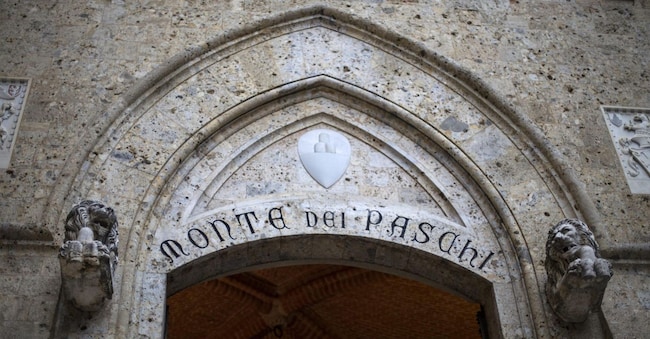
Following Iss, Glass Lewis has also come out against the defensive plan devised by MPS CEO Luigi Lovaglio to fend off Intesa Sanpaolo’s takeover bid. The second-largest proxy adviser has expressed a view fully in line with that put forward yesterday by its ‘competitor’ and advises institutional investors – who are due to attend the shareholders’ meeting in Siena on 29 October – to vote against the proposals for a merger with BancoBpm and Banca Generali, as well as the capital reduction and the distribution of a €4 billion ‘maxi-dividend’. The merger with Mediobanca and the corporate reorganisation, however, have been given the green light.
Glass Lewis’s assessment is even harsher than that of ISS. The proxy adviser in fact recommends voting against the acquisition of the stake in Generali currently held through Mediobanca. In short, this is a sweeping ‘no’ to the entire structure devised by the Potenza-based banker, and one that appears even more significant than expected, given that the proxy advisor traditionally votes in favour of the proposals put forward by the company under review.
Like ISS, Glass Lewis’s focus is on the soundness of Lovaglio’s business plan, but also on ‘the methods and timing’ with which MPS has developed the project. The proxy report notes that ‘the obstacles to MPS’s proposals appear considerably greater’ than those facing Intesa’s bid, and observes that the explanations provided by the bank ‘do not appear to address these obvious obstacles in any substantive way’. In its report of around 40 pages, the proxy adviser also refers to a “tangle of objections and procedural obstacles” to which MPS has not yet provided a convincing response. Hence the conclusion: a ‘no’ vote is needed on the most controversial transactions, as this would ‘preserve investors’ freedom of choice’.


