
Global tax on the ultra-rich, the choice that divides millionaires
Giorgiana Notarbartolo (Patriotic Millionaires): 'Tax us more'. Fashion designer Philipp Plein: 'Unfair taxes over 30%'. The Sole 24 Ore podcast

9' min read
Key points
9' min read
A deep furrow divides Italians when it comes to the debate on whether to tax the ultra-rich. One side is convinced that it should be done because it argues that rising inequality is undermining democracies. Others strongly oppose it because they argue that taxes are already too high and an increase for the very rich would curb investment and growth. Who is right?
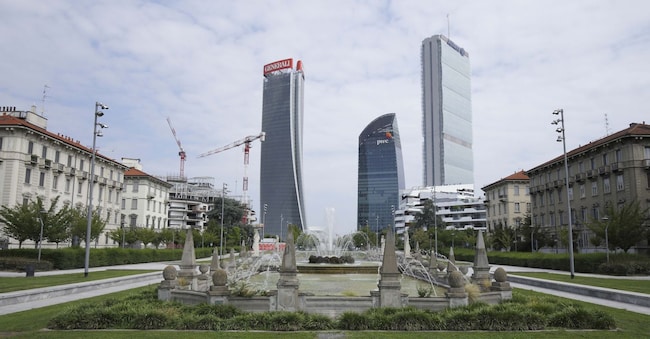
To answer this question, one can start in Milan. The Citylife complex is a paradise for the rich. The Fiera campionaria once stood here. Today there are buildings constructed by the world's most famous architects, skyscrapers, shops, restaurants, tennis courts and a large urban park.
One enters the compound and the first things that strike one are some buildings with sinuous shapes, reminiscent of cruise ships. These luxury flats are inhabited by managers, bankers, professionals, footballers, influencers and some of the 4,500 foreign millionaires who have arrived in Italy in recent years and are attracted by the flat tax that allows them to pay a fixed annual tax of 200,000 euro on all their foreign-source income. Income that sometimes derives from assets worth several billion euros. Milan is the third European city for number of millionaires: there are 115 thousand of them. And there are 17 billionaires.
The first episode of the podcast - Milan, tax the rich
The tax knot
.That the ultra-rich pay proportionally less tax than ordinary citizens is shown by studies by economists of different nationalities. This paradoxical situation arises because the earnings of the ultra-rich derive almost exclusively from the sale of shares or the receipt of dividends, what is called capital income. But these earnings are taxed much less than the income generated by the salaries of the less well-off, which is almost always labour income.


