Good business in Paris Tribal
Although the ethnic art market is somewhat depressed today, young gallerists bring novelty and energy

3' min read
Key points
3' min read
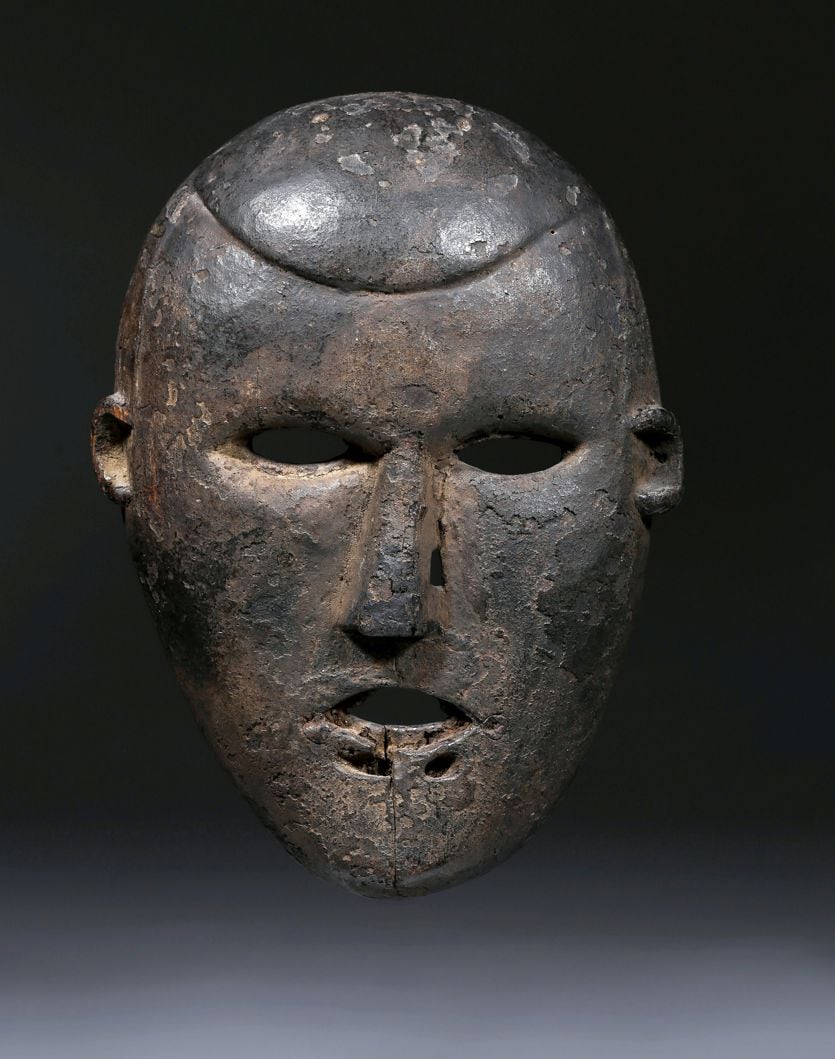
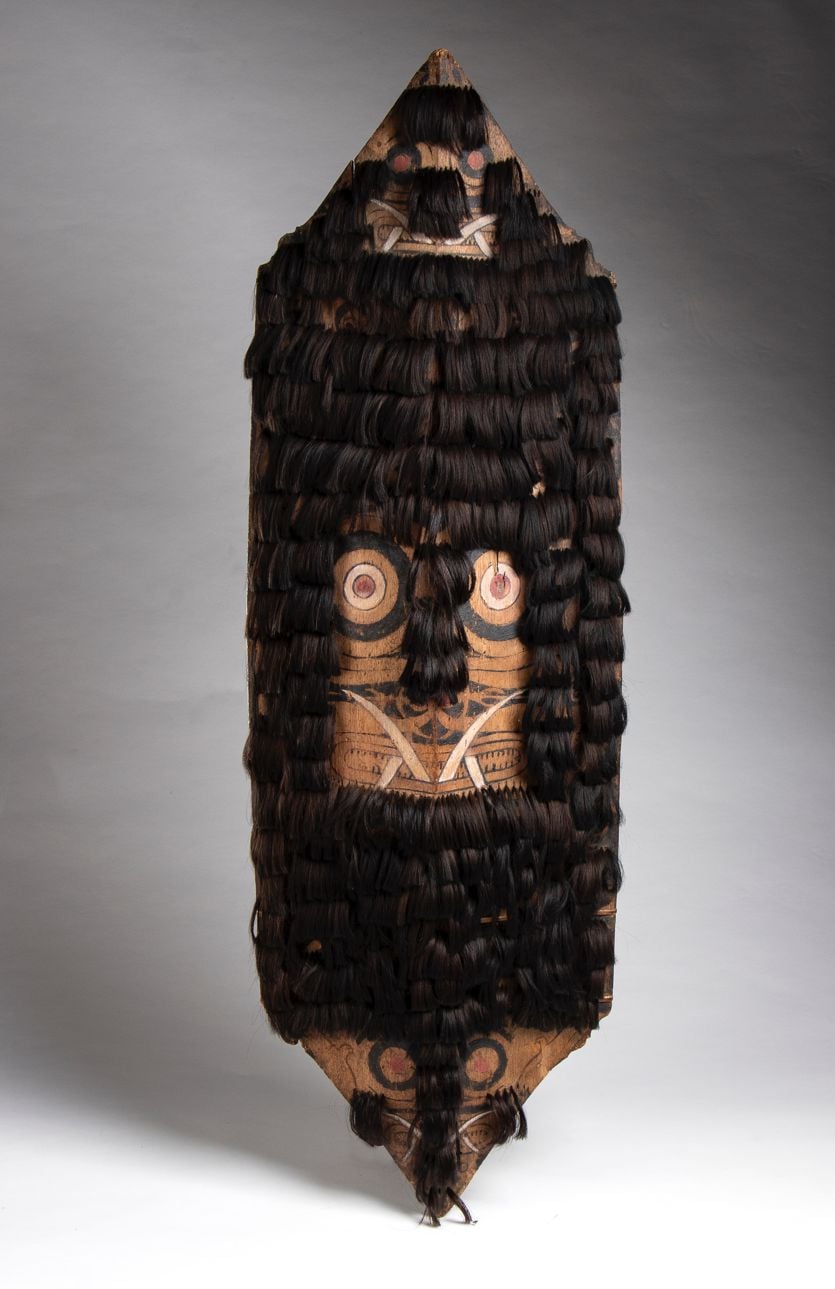
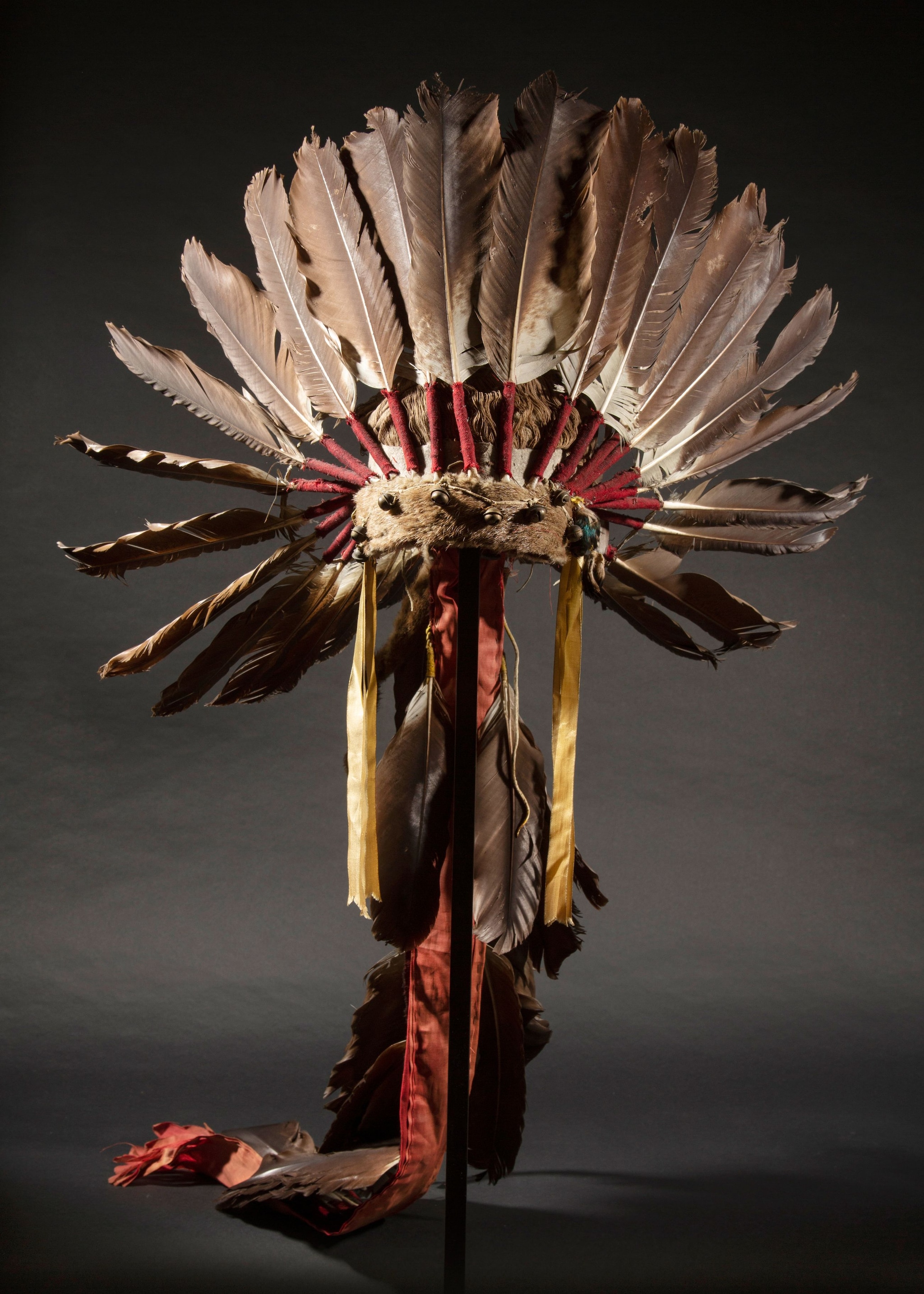
From 13 to 18 May, Paris hosted the 12th edition of Paris Tribal, which is one of the world's most important non-fair 'fairs' in the field of ethnic art and, as always, was held in the Latin Quarter. This year, 39 galleries were present, 34 of which were French. The only Italian presence was that of the Giano del Bufalo gallery in Rome, which specialises in Roman sculptures and wunderkammern exhibits and participated in an event of this kind for the first time. Eleven of the exhibitors also organised thematic exhibitions to emphasise the quality of the works and the convergence of 'other' and contemporary art.
In exhibition
.Exhibitions that presented particular themes included 'Roots', which was organised by the Flak Gallery in cooperation with the Contemporary Art Gallery 193. This exhibition highlighted the parallels between certain works from the cultures of the past of Africa, Oceania and North America and the achievements of contemporary artists in the fields of photography, painting, sculpture and textiles, emphasising that certain ancestral stylistic traits are also present in the works of today. The convergences between the present and the past were also presented by the exhibition of the Franck Marcelin Gallery, which compared the works of a contemporary artist from Vanuatu with those of Oceanian cultures.
Without organising a thematic exhibition proper, a very interesting juxtaposition was also made by the Entwistle and Giano del Bufalo galleries, which exhibited African and Oceanic works and some Baroque and natural curiosities. The Mingei Gallery, on the other hand, focused on the sculpture of a 17th century Japanese artist.
The results
.On the results of the event, Frédéric Rond, head of the organisation of Paris Tribal 2025 and owner of the gallery of the same name, told Il Sole 24 Ore 'This year's edition took place in a convivial atmosphere and under generous sunshine. In particular, we were able to count on numerous visitors, among whom many came from the other side of the Atlantic, such as Jeffrey Myers, a lover of Inuit (Eskimo) art. Among the novelties of this edition was the presence of two young dealers: Giano del Bufalo from Italy and Hugo Brégeau from France, who brought a breath of fresh air, presenting both objects that hark back to the eclectic collecting of the past, as well as tribal, ancient and natural history artefacts.
Turning to the sales, I can say that most of the gallery owners did good business, despite the fact that the ethnic art market is somewhat depressed today. In terms of prices, I can add that the range of value of the Paris Tribal works was very wide and ranged between 200 and 200,000 euro, although most of the exhibits sold for between 4,000 and 12,000 euro.
This balance was also basically confirmed by the other gallery owners contacted, who reported average prices between EUR 500 and 10,000, with exceptional pieces fetching over EUR 50,000. However, it is also worth mentioning that some gallery owners were not very satisfied with the level of sales.