
Farewell to Bill Viola, iconic video-art artist
Internationally acclaimed, he was born in New York 73 years ago. The Pontormesque The Greeting among his most celebrated video installations
3' min read
3' min read
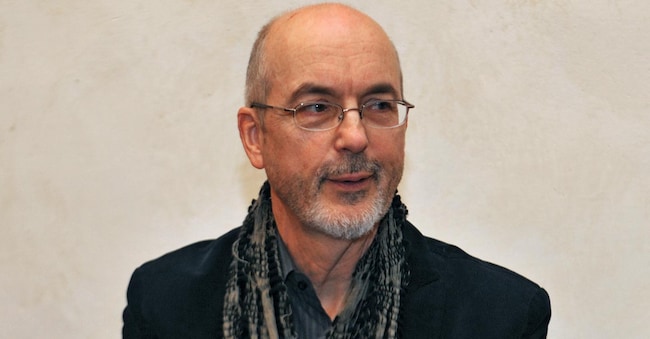
An Italian-American, he was one of the most internationally acclaimed American artists and a true video-art icon: Bill Viola, as announced by his wife and collaborator, Kira Perov, died yesterday. "It is with great sadness that the Bill Viola Studio shares the news of the death of Bill Viola, one of the world's most important contemporary artists," it reads. "He passed away peacefully at home on 12 July at the age of 73. The cause of death was Alzheimer's disease'.
He was born in New York on 25 January 1951. A passionate devotee of electronic music, he had studied at Syracuse University, where he enrolled in 1969, and was a member of the group Composers Inside Electronics. In 1973, he graduated in Visual and performing art.
After the exhibitions at the MoMa had granted the new photography great space and international resonance, it was the practice of video installation that increasingly contended for space with painting and sculpture, and Bill Viola was from the outset, and for over half a century, one of the greatest experimenters with the expressive limits and aesthetic opportunities of this art form.
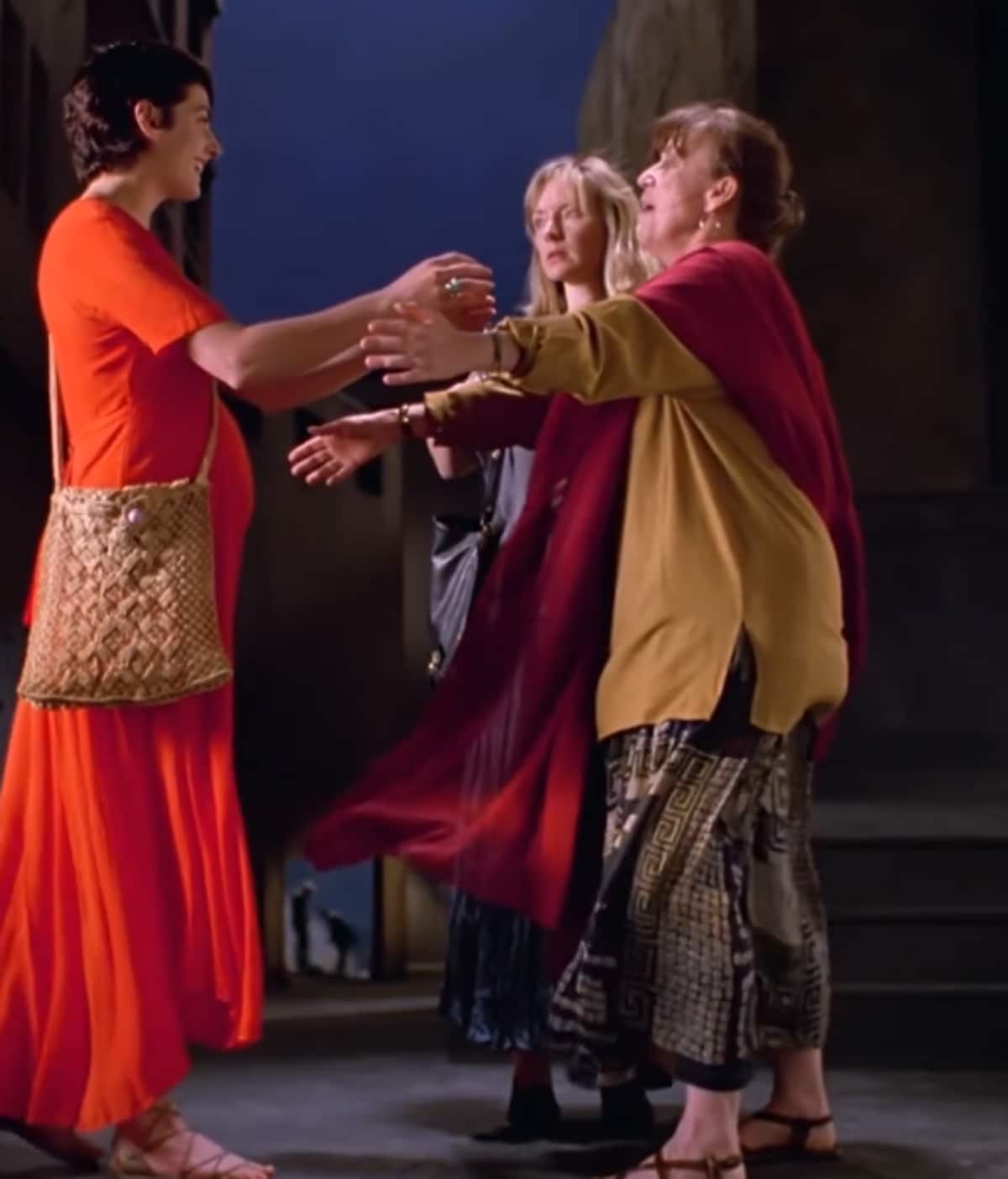
The Greeting
Passionate about Italian art and Florence, where he had stayed for a long time since 1974 (in 1975 his video installation Il Vapore), his artistic reflection focused in particular on artists such as Michelangelo and Pontormo (it is impossible not to mention in this regard his video installation The Greeting, presented for the first time by the artist at the 1995 Venice Biennial, and which has as its reference the Pontormesque Visitation, preserved in the Pieve di San Michele Arcangelo in Carmignano).
Just a year ago, the Palazzo Reale in Milan dedicated a splendid exhibition to him, with the focus on perception and thus the boundary between illusion and reality, the transition between life and death, which have always been at the heart of the artistic reflection of this artist who had approached the study of Zen Buddhism since the 1980s, and who considered death precisely as 'a transition'.

