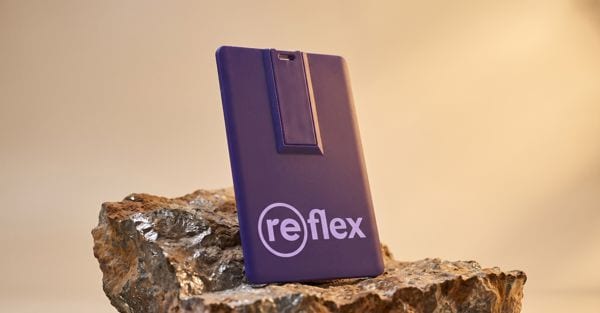
Google wants to save millions of old computers with a free operating system (soon to be available on a USB stick as well)
The initiative by Google and Refurbed to ensure that 41 million computers do not become obsolete

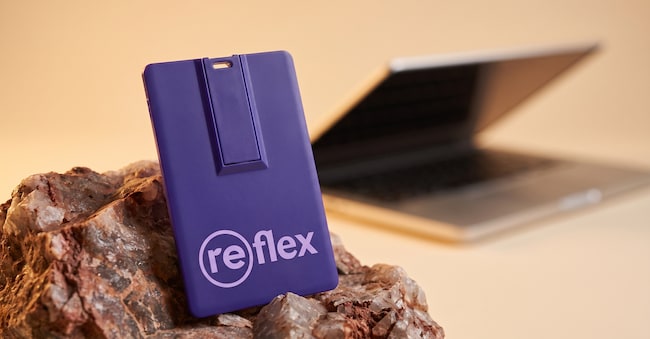
ChromeOS Flex is a free operating system designed to extend the lifespan of computers that cannot be upgraded to Windows 11, and from November it will also be available on a USB stick.
A computer can become obsolete and therefore unsuitable for carrying out everyday tasks, such as browsing the internet or checking email, even when it continues to function perfectly. This happens when the operating system no longer receives security updates and the hardware does not meet the requirements needed to install a newer version: a problem affecting millions of PCs running Windows 10, to which Google and Refurbed – a platform specialising in the sale of refurbished products – aim to provide a solution by launching ChromeOS Flex, a free operating system designed to extend the lifespan of computers nearing the end of their useful life.
The collaboration has been launched in the run-up to 12 October 2027, the date on which the Windows 10 security update programme for home users will come to an end: in fact, Microsoft’s standard support will have already ended in October 2025; however, many computers that are still in working order cannot upgrade to Windows 11 as they do not meet the necessary hardware requirements.
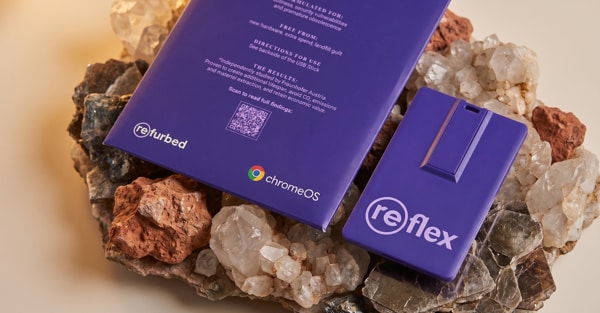
On this subject, a study by Fraunhofer Austria quantifies the scale of the obsolescence problem, highlighting that there are around 41 million devices potentially affected across the European Union, of which 5.47 million are in Italia alone. Furthermore, according to the researchers’ estimates, extending the useful life of the computers in question by just one year would be enough to prevent the generation of around 156 tonnes of electronic waste within Italy’s borders, whilst simultaneously saving around 43,000 tonnes of CO₂; on a European scale, however, the benefit would rise to 1,172 tonnes of electronic waste avoided and 320,000 tonnes of CO₂.
“In Italia, we are talking about 5.47 million working devices that do not meet the requirements for an upgrade to Windows 11 and which will no longer be able to be used safely once Windows support ends on 12 October 2027” explains Paul Rudorf, the author of the Fraunhofer Austria study, adding, “All our research to date shows that extending a device’s useful life has a significant impact on environmental outcomes. Replacing technically functional devices prematurely, simply because support is about to end, runs counter to the objectives of resource conservation and the circular economy, and creates avoidable environmental impacts such as greenhouse gas emissions and electronic waste.”