
Greek myths in De Chirico’s metaphysics: an exhibition in Scicli
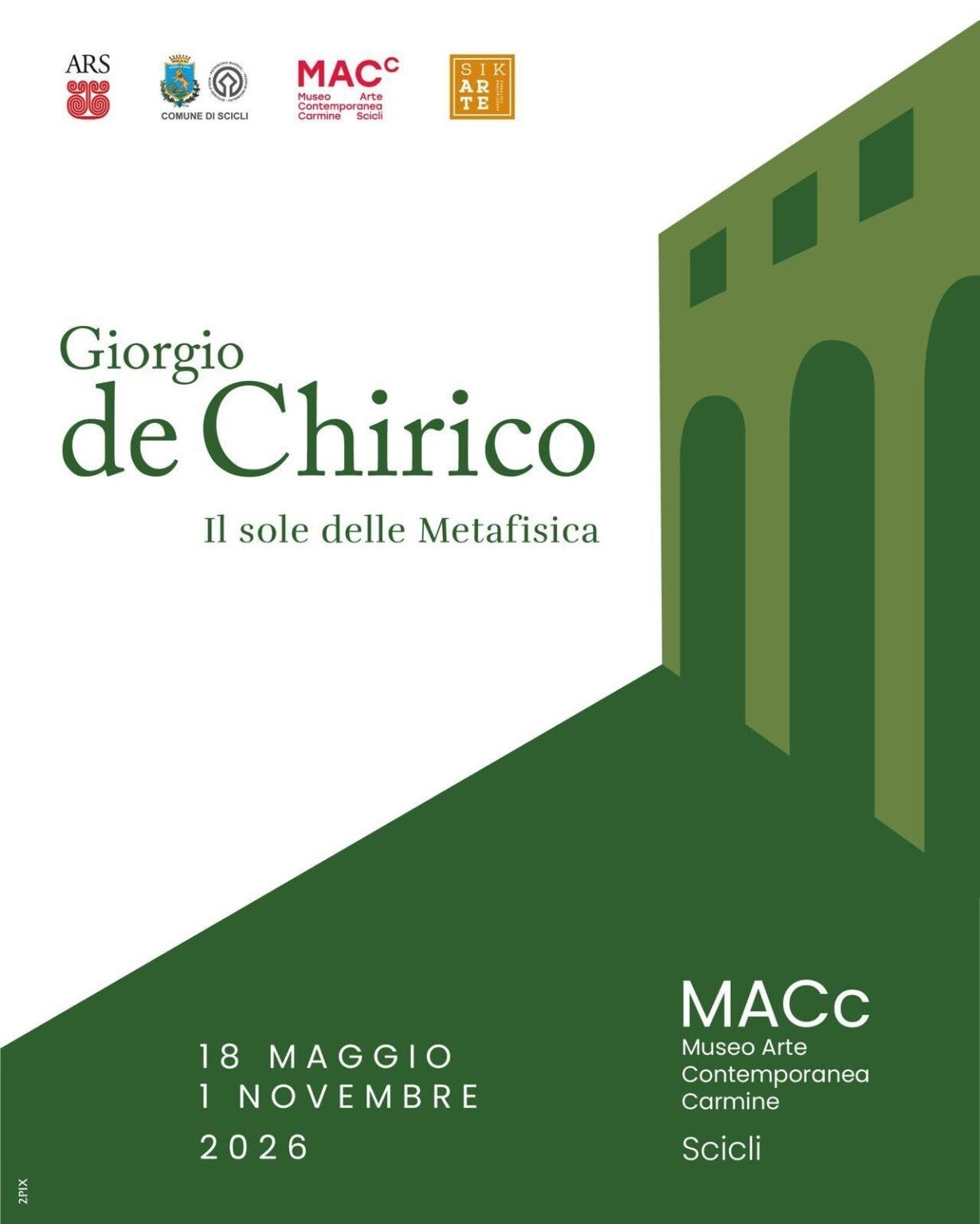
The exhibition “Giorgio de Chirico. The Sun of Metaphysics”, curated by Lorenzo Canova, is on display at the MACc in Scicli (RG) until 1 November

To go to Scicli and miss the exhibition on Giorgio De Chirico in order to focus on the most heavily publicised sites associated with Inspector Montalbano would be unforgivable! Alas, all too often great artists are overlooked in favour of media events.
The exhibition dedicated to him at the Museo d’Arte Contemporanea del Carmine in Scicli places this great metaphysical artist within the cultural landscape of Sicily – and, in particular, within the architectural context of Scicli, the artist was born in Greece, but his family on his grandfather’s side were of Sicilian origin – is the exhibition dedicated to him at the Museo d’Arte Contemporanea del Carmine in Scicli, entitled ‘Giorgio de Chirico. The Sun of Metaphysics’.
Magna Graecia
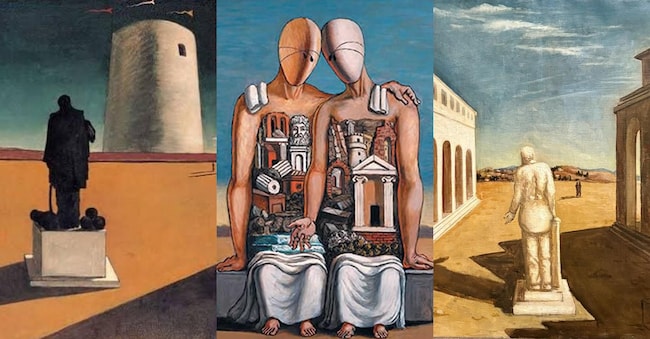
The exhibition has been conceived with the aim of exploring the deep connection between De Chirico’s imagery and Sicily: a relationship that extends through the classical myth of Magna Graecia. The paintings clearly evoke the dazzling light of Mediterranean squares, the Baroque architecture of the Val di Noto and the ethereal atmospheres that characterise the Sicilian urban landscape: all of which feature prominently in the artist’s famous metaphysical scenes.
The exhibition presents a major retrospective dedicated to Giorgio de Chirico, featuring around fifty of his works. Standing out above all others is the famous painting The Archaeologists, chosen to highlight the relationship between past and present; indeed, his paintings are placed in dialogue with photographs by Giovanni Chiaramonte, Giuseppe Leone, Pino Ninfa and Armando Rotoletti.
The great Guttuso said of the artistic circle that had formed in Scicli on the initiative of his then assistant, Guccione “Here we find the purity of purpose of a group of artists working on the very outskirts, far from the dynamism of the metropolises, from the art biennials, and from the fast pace of consumerism from which not even a work of art can escape.”

