
US gives the green light to Saudi Arabia’s civil nuclear programme
The agreement is expected to allow the country to enrich uranium on its own territory, with US companies playing a role in the programme. Israel, the only country with a nuclear arsenal in the Middle East has expressed doubts
from our correspondent Marco Valsania
 Aggiungi Il Sole 24 Ore
ai preferiti su Google
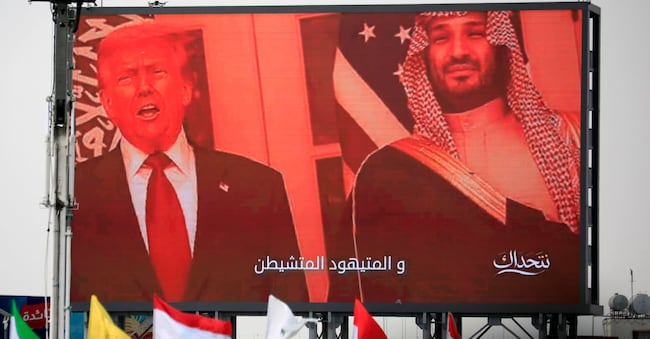
NEW YORK – The White House is returning to its preferred approach to foreign and national security policy, one characterised by deals and economic and financial agreements: Donald Trump has unveiled an agreement hailed as historic with Saudi Arabia, under which he will provide Riyadh and its de facto leader, Crown Prince Mohammed bin Salman – known as MBS – with the keys to an unprecedented civil nuclear programme. The agreement, which runs for thirty years and is estimated to be worth tens of billions of dollars, is also expected to allow the kingdom to enrich uranium or process plutonium on its own territory.
For Riyadh and its ambitions for growth and regional leadership, this is a crucial success, all the more so given that relations with its key ally, the United States, have been complicated by Washington’s difficult and unresolved war against Iran. It would diversify its energy sources by exploiting potential uranium deposits and meeting domestic demand through nuclear power – a strategy that would simultaneously boost Riyadh’s crude oil exports and revenue.
The US administration is also claiming success: American companies such as Westinghouse will play an essential and exclusive role in the development of Saudi Arabia’s nuclear technology and infrastructure, revitalising the sector. One section of the agreement explicitly provides for American companies to build a uranium enrichment plant, subject to a feasibility study by a bilateral commission. Thanks to the pact, rival powers such as China and Russia – which are seeking to increase their influence in the region – would be sidelined.
According to Washington, its close and direct involvement is also the best safeguard against violations and abuses of the programme by the Saudis, particularly for military purposes. A nuclear arms race in an unstable and volatile region is one of the main concerns. The 40-year-old MBS has threatened to develop nuclear weapons if Iran does so.
Doubts are rife within the Israeli government, which remains the US’s closest ally in the region. And which, at present – although there have been no official admissions – is the only country in the Middle East to possess a nuclear arsenal, with perhaps 90 nuclear warheads and enough material to produce up to a further 200. Israel has never signed the Nuclear Non-Proliferation Treaty.


