
Greenland, EU reacts to Trump and assesses tariffs of 93bn. Macron: anti-coercion bazooka
Diplomatic line prevails among the Twenty-Seven for now, but interventionism is gaining ground. Expectation for the World Economic Forum in Davos
From our correspondent Beda Romano
 Aggiungi Il Sole 24 Ore
ai preferiti su Google
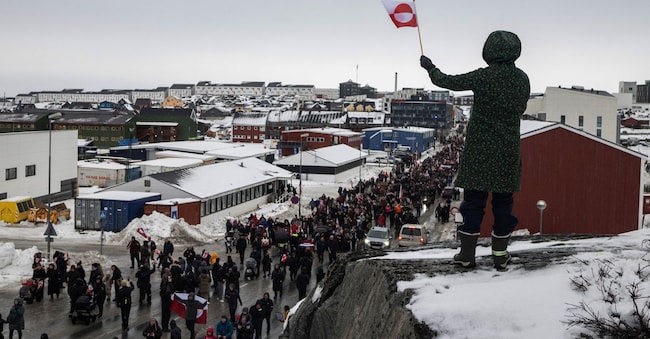
BRUSSELS - The willingness to intervene in confronting the aggressive Trump administration is growing among the Ventisette. The US president's announcement that he wants to adopt tariffs of 10% against goods from the countries guilty of wanting to defend Danish sovereignty over Greenland from American aims provoked a lively reaction from the member states. For the time being the diplomatic card prevails, but never before has the EU seemed ready to use strong-arm tactics.
In a communiqué on Sunday 18 January, the President of the European Council António Costa emphasised that there is "unity among the Twenty-Seven on the principles of international law, territorial integrity and national sovereignty" with regard to Greenland. At the same time, he confirmed that there is a willingness on the part of the member states to defend themselves 'against any form of coercion'. President Costa will organise an extraordinary summit within the week, possibly on Thursday 22 January.
Earlier, the Twenty-Seven held a meeting at diplomatic level here in Brussels to discuss transatlantic relations. According to information circulated after the meeting, under discussion were among other things retaliatory measures that had already been prepared last year and then frozen in the wake of a trade agreement reached between the parties last summer. The tariff measures would be worth approximately EUR 93 billion.
Also on the afternoon of Sunday 18 January, Elysée Palace sources had announced France's willingness to respond to the American initiative with a so-called anti-coercion regulation coming into force in 2023. Ultimately, after a rigmarole of a few weeks, the instrument could prevent American companies from participating in public tenders or strike at the intellectual property of large technology companies.
A European official explains: 'For now, there will be no measures, but measures have been discussed and there seems to be considerable interest in moving in that direction after all. The elements mentioned by President Costa in his communiqué are the messages that European leaders will convey in the coming days, when they attend the World Economic Forum in Davos (19 to 23 January, ndr) or when they meet the US president'.


