'Mani-fatture' - Lucio Fontana's 'second soul' in ceramics
At the Peggy Guggenheim Collection in Venice a complete overview of the Spatialist master's clay models


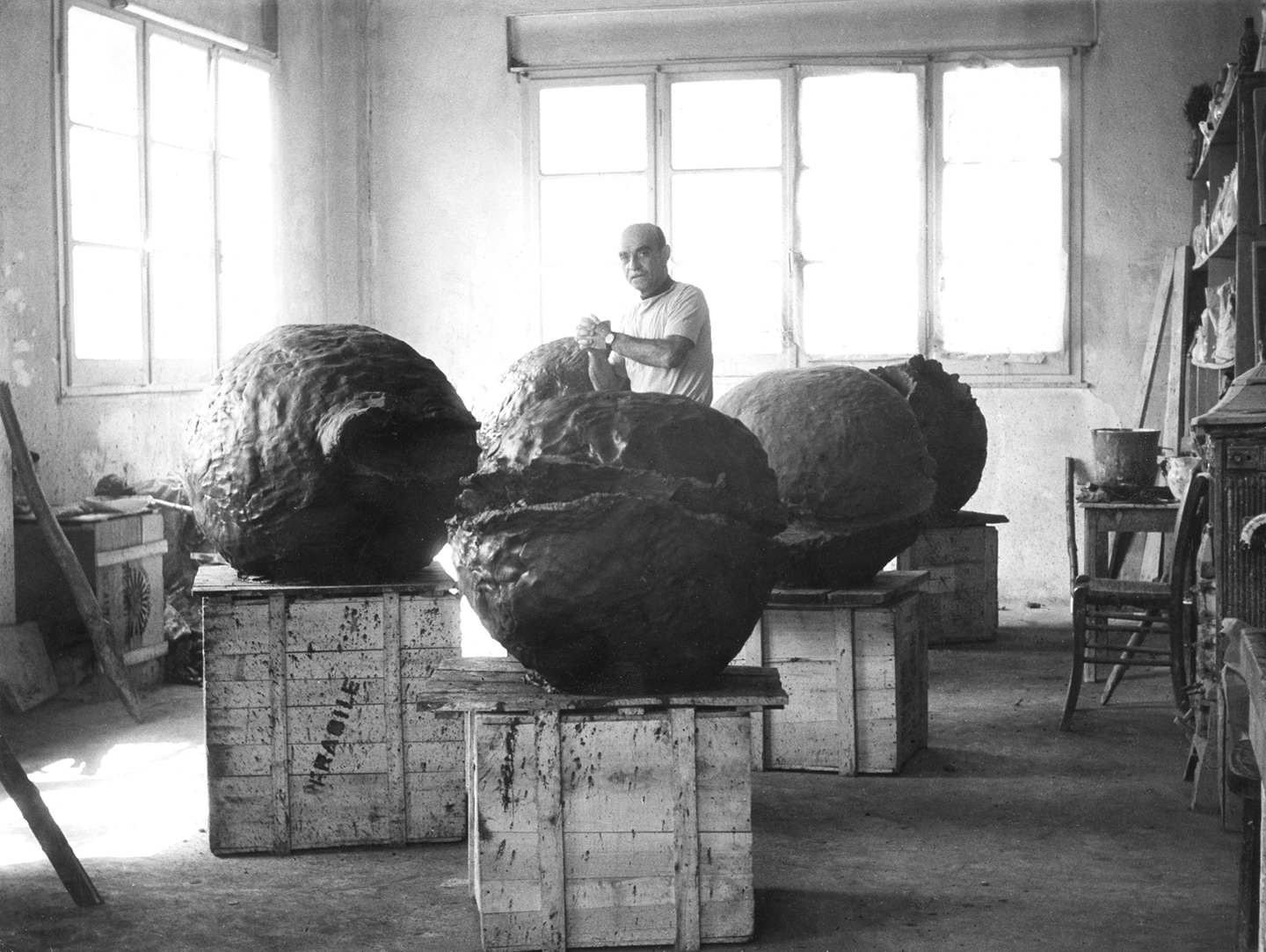
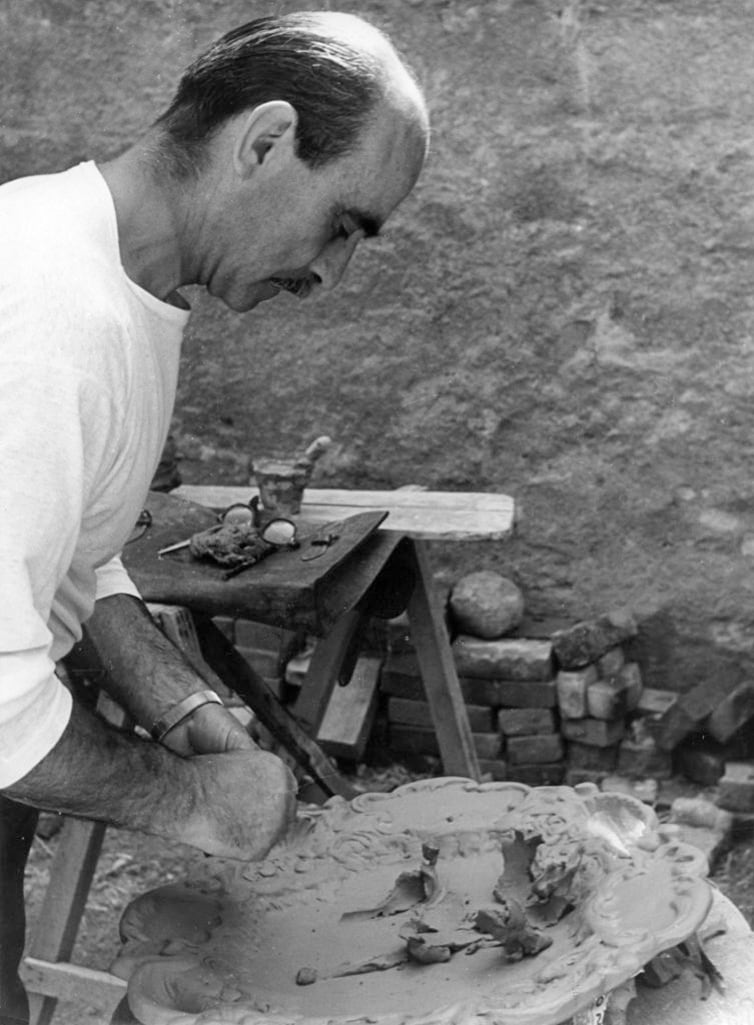
There is no gesture more human than sinking one's hands into the earth. Lucio Fontana did this all his life, finding in clay a living material with which to measure himself, a primordial language capable of transforming itself into space, light and form.
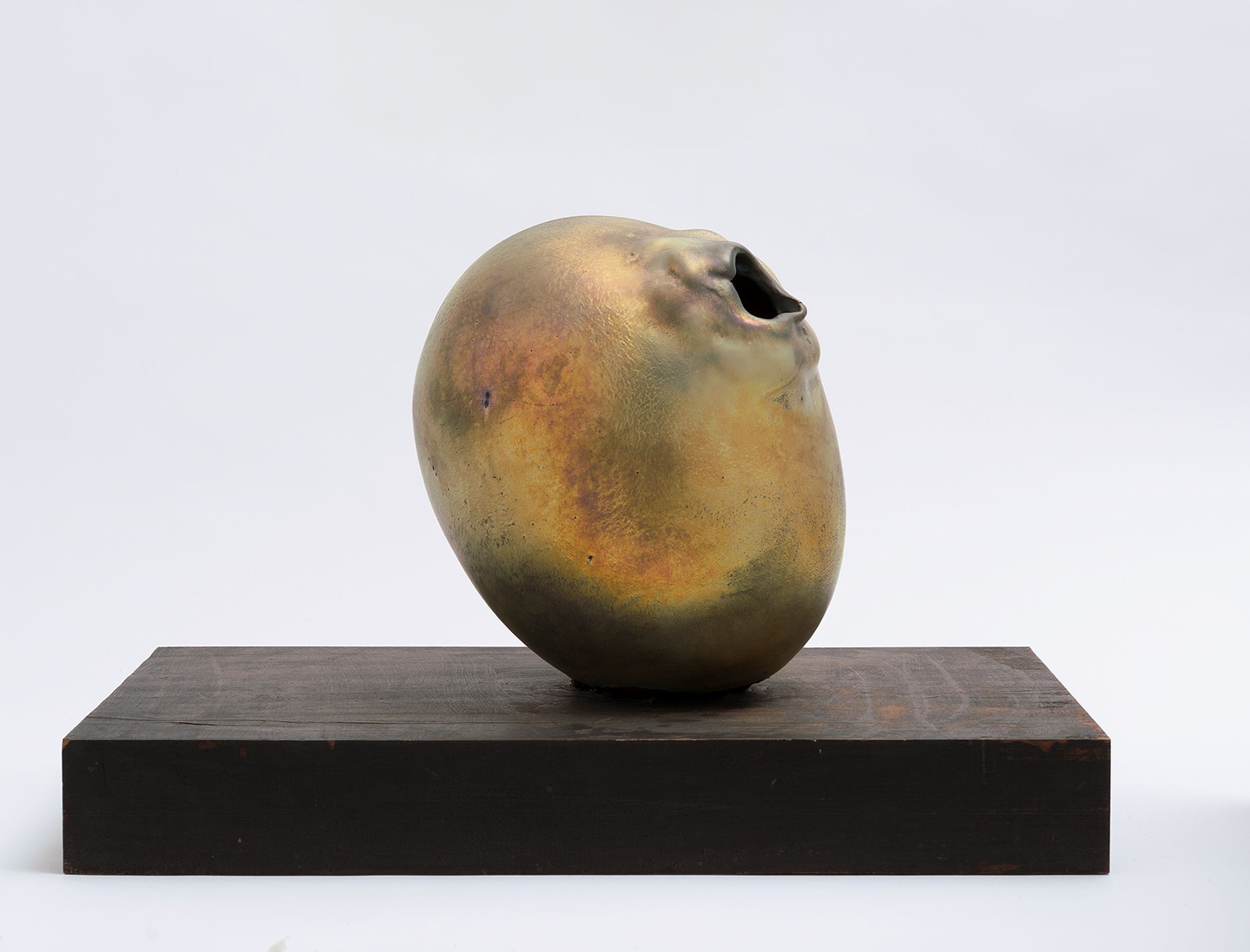
While ceramics is regaining a leading role in contemporary art as a plastic and conceptual language, the Peggy Guggenheim Collection in Venice pays homage to the ceramic sculptor Fontana with "Mani-fatture", the first museum exhibition entirely dedicated to the ceramic production of the Spatialist master, which took curator Sharon Hecker seven years of study and preparation. The exhibition tells the story of an artist who was able to reinvent 20th century sculpture starting from the most ancient gesture: modelling clay.
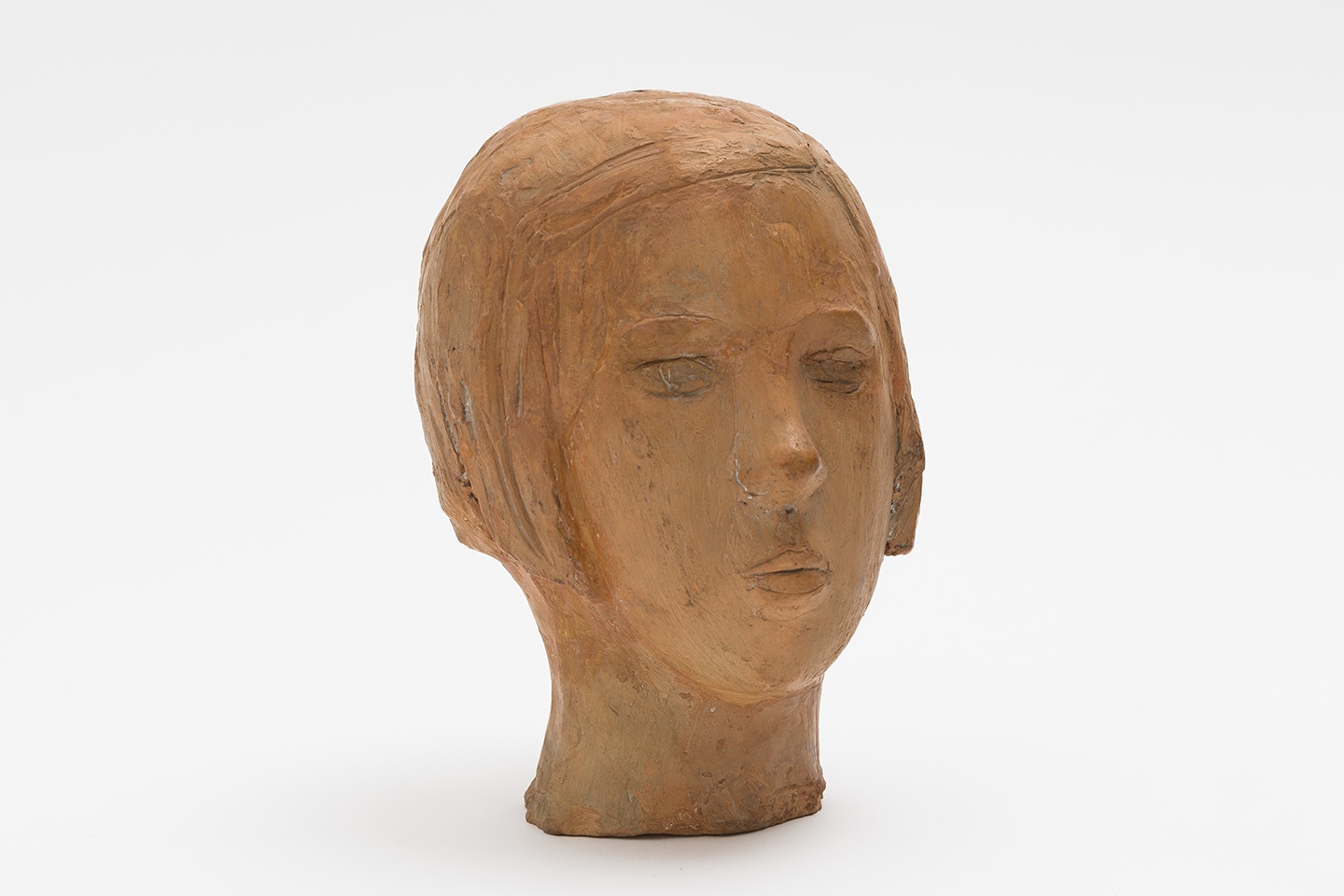
The image that emerges is that of a surprising Fontana, more intimate and earthy than the artist who with a decisive gesture attacks the canvas with 'cuts' and 'holes', as Ugo Mulas' shots show us.
From Argentina to Albissola
Ceramics accompanied Lucio Fontana throughout his career, from the early post-war period in Argentina to the furnaces of Albissola and the abstract experiments of the 1950s and 1960s. For him, clay is matter that is 'earthquake-ridden but firm', matter capable of vibrating with vitality. Within that contradictory matter, docile and rebellious at the same time, Fontana rediscovered the freedom of an art that was born of direct, physical, almost carnal contact.