
Happiness in business is a skill, the word of a positive leader
Young manager Dennis Tonon explains to Sole 24 Ore how a positive approach to leadership and human resources management is more crucial than ever

4' min read
4' min read
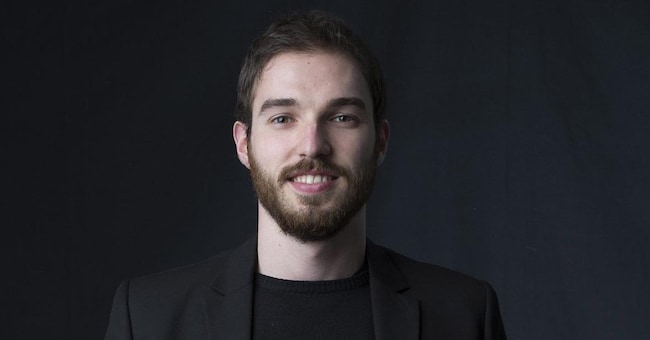
Born in 1993 and currently invested in the role of Deputy Industrial Director at Amorim Cork Italia, a Treviso-based company specialising in the field of cork stoppers, Dennis Tonon has the privilege of having a plus not found in everyone's CV. Which is? That of having won last year's "Positive Leadership Awards", an international award that celebrates excellence in positive leadership and management innovation and that saw some 7,400 candidates from 18 different countries on five continents compete. A prestigious recognition, which comes on top of other titles he has achieved (including an MBA from the University of Bologna Business School and an Executive Programs in Strategic Business Management from the University of Cape Town) and which is reflected in a project he has developed within his own organisation.
In a period marked by unprecedented challenges for the world of work, the young manager explained to Sole24ore.com, a positive approach to leadership and human resources management is more crucial than ever. A new way of leading the company, centred on the well-being of employees and the constant search for innovation, is therefore increasingly an unavoidable goal and it is necessary to take the path of change to achieve it. The positive organisation model that Tonon looks to, in this sense, represents an interdisciplinary field and a new perspective of thought that challenges conventional assumptions and embraces the latest scientific findings based on the functional behaviour of people and their relationships with each other.
The corporate landscape in which this model is intended to be applied is characterised by a VUCA context, an acronym that refers to the concepts of volatility, uncertainty, complexity and ambiguity. In such a context, the demand for flexibility and resilience on the part of organisations has become pressing and is accompanied by one of the critical issues that most impact this dynamic, namely stress experienced in the workplace, which has become one of the main causes of employee absenteeism and disengagement. The recourse to dedicated welfare programmes, as testified by several studies on the subject, has not been sufficient to increase the overall levels of wellbeing and mental health of workers and confirms, according to Tonon, the ineffectiveness of occasional solutions, while pointing out the need to review management models that must necessarily take into account the needs of the younger generations (Millennials and Z), focused on a healthier work-life balance and greater alignment between personal values and corporate pourpose.
Effective Leadership for Positive Organisations
Effective leadership capable of bridging the gap between employees' expectations and organisational reality is therefore one of the solutions to be put in place, and the project led by Amorim Cork Italia aims to transform the workplace into a 'positive organisation', creating a corporate culture that promotes the psychological and physical wellbeing of all people, increasing their satisfaction, productivity and engagement. "Thriving in a VUCA World", this is the name of the project conceived by Tonon, explores the integration between the concept of lean manufacturing and the positive organisation model and aims to maximise the value of the synergy generated by the combination of these two elements working on the same pillars but on different sides.
The underlying conviction is that the paradigms on which the current world of work is based are no longer adequate and, consequently, leadership styles also need to be reviewed. 'To implement positive leadership,' says Tonon, 'it is essential to truly understand what happiness is, to understand that it is a scientifically proven competence and not just an emotion. Success does not lead to happiness, but happiness leads to success, starting from the assumption that an individual's intelligence and technical skills make up a marginal share, 25%, of professional success'.

