
The massacre of the Buggerru miners who dared to strike
It was 4 September 1904 when two thousand took to the streets in protest

2' min read
2' min read
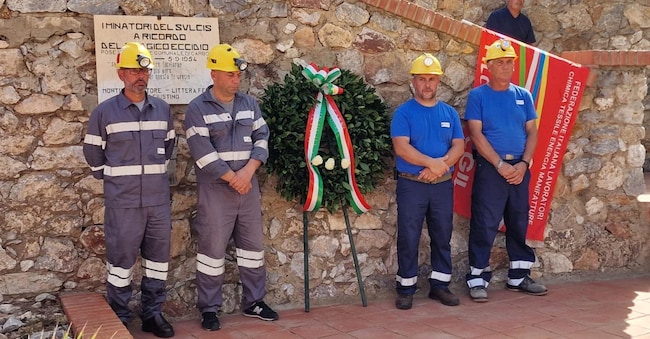
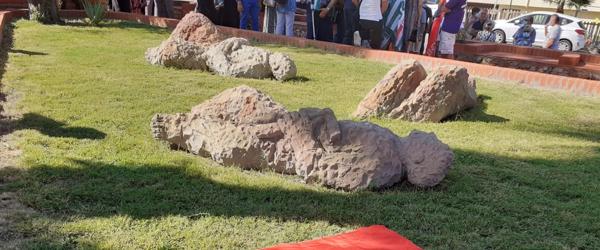
The sculptures of the men on the ground, in the miners' square. And then the remains of the laveria, the names of the miners and the tools for drilling the rock transformed into works of art. So as not to forget. Because there is a red thread that, in Buggerru on the south-west coast of Sardinia, links the past to the present. It is the commemoration and remembrance of what happened 120 years ago when miners died at the height of a protest for better working conditions. It was 4 September 1904 when two thousand took to the streets in protest. They demanded to be allowed to enter the site an hour later because the heat made it impossible to work outside. The mining company, which had ordered the reduction of the rest interval, responded with a refusal and the director Achille Georgiades, fearing an exasperation of tempers, called for the intervention of the army. There was a strike by the miners who decided not to return to the sites on the 4th. A meeting was held between the director and socialist leader Giuseppe Cavallera and the secretary of the miners' league, Alcibiade Battelli, in the management headquarters. Negotiations were underway for the recomposition of the strike.
The Carabinieri and the Army
While waiting to start negotiations, the carabinieri and two companies of soldiers were summoned. Their presence caused tension among the employees that degenerated into a clash. First with stones, then with bayonets and finally with gunfire. Three workers died and eleven were injured.
Those events triggered the first national strike in history. And, in fact, just a week later, on 11 September, the Milan Chamber of Labour approved the motion for a general strike to be organised throughout Italy.
In Castelluzzo (in the province of Trapani), just three days later the massacre of peasants during a demonstration. Eventually the proclamation of a strike from 16 to 21 September. Subsequently, the Commission of Enquiry into the condition of mine workers in Sardinia was set up in Parliament. The acts were only made public in 1911. Every 4 September, those events are commemorated with the last miners laying a wreath in the square where the statues created by the artist (who died a few years ago) Pinuccio Sciola are installed, and with conferences, theatrical performances and debates, those terrible days are remembered. And then exhibitions and temporary installations, such as the chairs tied with the red thread of memory. So as not to forget.

