
Heating and cooling: thermoelectric power is key to maintaining the stability of the system
From 6 pm onwards, renewable energy sources begin to fall short and gas-fired power stations become essential for meeting electricity demand, which is also driven by air conditioning

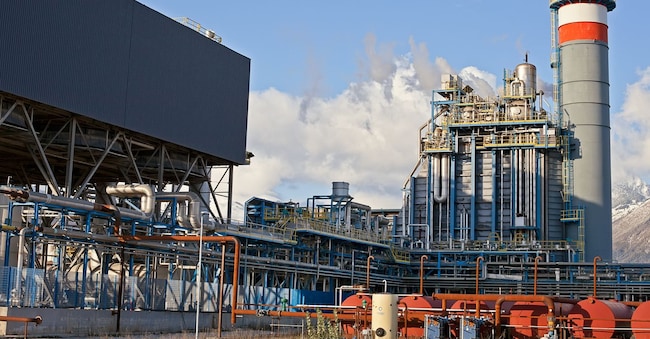
The transition towards an increasingly sustainable energy mix has placed solar power – supported in part by self-consumption – at the heart of daytime electricity generation in Italia. However, an analysis of actual generation data for the period between June and July shows that thermal power remains the backbone for ensuring grid stability and preventing blackouts, especially during summer heatwaves.
Looking at the latest figures from Terna, it is clear that during the summer months, demand for electricity rises sharply due to cooling requirements. On a monthly basis (1 June – 1 July), total monitored generation reached 24,370.4 GWh, with thermal power (mainly gas-fired power stations) accounting for the largest share at 42.47 per cent, followed by utility-scale solar at 18.37 per cent (4,477.8 GWh fed directly into the grid) and hydropower at 16.33 per cent, virtually on a par with self-consumption (16.15 per cent, mainly solar power distributed across industrial rooftops and, to a lesser extent, residential rooftops).
Key gas prices from late afternoon onwards
During the peak hours of a typical summer day with high demand, such as 29 June (which recorded a total daily consumption of 991.3 GWh), the surge in solar generation and self-consumption reduces the need for thermal power to its daily minimum (around 18–19 GW of instantaneous power). At this point, a temporary illusion of renewable self-sufficiency is created, as solar power covers a significant proportion of the load.
However, the true vulnerability of the electricity system becomes apparent during the most critical time of day, between 6 pm and 9 pm. This time period is affected by the phenomenon known in the energy sector as the Duck Curve, characterised by the convergence of three critical factors. Firstly, the complete drop-off in renewable energy: as the sun sets, solar power generation and self-consumption plummet, disappearing almost instantly from the grid – a situation that effectively persists until 6 am the following morning, with gas and hydroelectric power meeting the entire demand. Secondly, there is the peak in residential demand: as people return home in the evening, there is a massive surge in the use of domestic air-conditioners. During these hours, the thermal shock accumulated by buildings during the day forces cooling systems to operate at full capacity, keeping overall electricity consumption at extremely high levels. Finally, there is the ramp stress on thermal power: to compensate for the simultaneous loss of sunlight and the rise in consumption, the grid operator (Terna) must require thermal power stations to ramp up output suddenly. For the thermoelectric sector, this translates into an extremely steep ramp-up, forcing combined-cycle power stations to double their instantaneous output in a matter of hours, rising from 18 GW to over 32 GW. This represents one of the moments of greatest mechanical, thermal and economic vulnerability for the entire national electricity system. In the early hours of the following morning, thermal power comes to account for 67.52 per cent of total generation to support the grid, which is now deprived of solar power.
The growth in renewables is not enough
In essence, according to some observers, these figures show that, although renewables reduce fossil fuel consumption during the middle of the day, Italia’s energy security in the evening and at night still depends entirely on the flexibility and readiness of its thermal power plants. There is another factor to bear in mind when considering the balance of the Italian energy system and the relationship between combined-cycle power stations and renewables. The annual share of generation from green sources rose from 33 per cent in 2019 to over 40 per cent in 2024 (+23 per cent), exceeding 50 per cent last year. However, solar power exhibits strong seasonality (the summer generation share, at 18 per cent, is more than double that of winter, at 7 per cent), which is balanced by thermoelectric generation, whilst hydroelectric power is characterised by significant variability (between 8% and 19%) and the share of imports varies considerably between 10% and 20%, with the highest figures recorded during the winter months, and is subject to the availability of French power stations. Furthermore, over the last five years, the installed capacity of non-dispatchable renewables has grown very rapidly (+19 GW, representing a 60 per cent increase), mainly driven by solar photovoltaic (+17 GW), whilst wind power has grown by only 2 GW. However, whilst the share of non-dispatchable renewables in total installed capacity rose from 26 per cent to 36 per cent over five years, the growth in that same share of total generation rose ‘only’ from 13 per cent to 18 per cent over the same period. Last year, partly due to trends in hydroelectric power, the share of electricity generated from renewables fell to 49.3 per cent from 51.8 per cent in 2024, whilst the share from gas rose to 44.5 per cent from 42 per cent.


