
Heating: the first systems will be switched on on 15 October, but Milan and other cities are reducing the number of hours
The date on which the heating systems are switched on varies depending on the climate zone in which each municipality is located. In the warmest towns, the radiators will only be switched on from 1 December

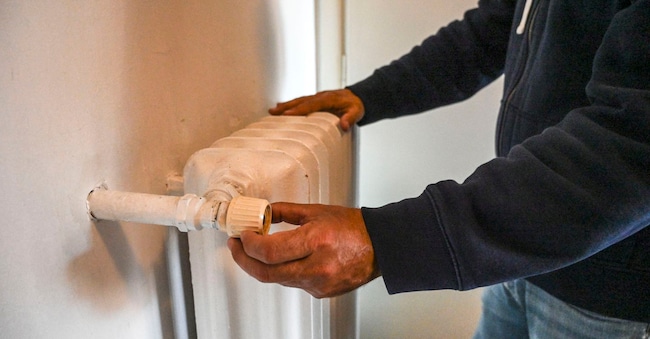
Although temperatures remain high across much of the peninsula, many local authorities are about to give the go-ahead for heating systems to be switched on. However, from mountain towns to the warmer cities of southern Italia, the dates set for switching on the heating vary considerably. The first date to mark in red on the calendar is 15 October for the coldest areas, whilst in milder climates, heating may only be switched on from 1 December. However, both due to the abnormal temperatures recorded in 2026, and with a view to reducing emissions, some local authorities have adopted by-laws amending the annual operating periods and the daily duration of heating system use.
Climate zones
The date on which the radiators are switched on depends on the zone climate zone to which each municipality belongs. The country has in fact been divided into six zones, from A to F, by Decree 412 of 1993. A subsequent decree, dating from 2013, sets out when heating may be switched on in the various zones and for how many hours a day it may remain on.
The allocation was determined on the basis of degree-days (DD), a measure of how cold a municipality’s climate is during the heating season and, consequently, the extent to which buildings need to be heated. DD are calculated by summing the positive differences between the conventional reference indoor temperature (20 degrees) and the average daily outdoor temperature for each day of the annual heating period.
The first local authorities to switch on the heating
In the final category, F, where municipalities have more than three thousand degree-days, there are no restrictions on the period or times of day, and radiators may remain on throughout the year. This category includes numerous mountain towns such as Cortina d’Ampezzo, Pieve di Cadore, Bormio, Sestriere and Bardonecchia.
Zone E, on the other hand, comprises municipalities with a GG figure of more than 2,100 but not exceeding 3,000. Here, heating systems may remain on from 15 October until 15 April, for a maximum of 14 hours per day. Zone E includes numerous cities in northern Italia, including Milan, Bergamo, Brescia, Turin, Novara, Padua, Venice, Verona, Bolzano, all the provincial capitals of Emilia-Romagna, as well as Campobasso, Potenza and Enna.

