
Here are the Oakley Meta Vanguard, the sports glasses that (cleverly) encourage you to run
A field test of Meta's new smart glasses designed for athletes.
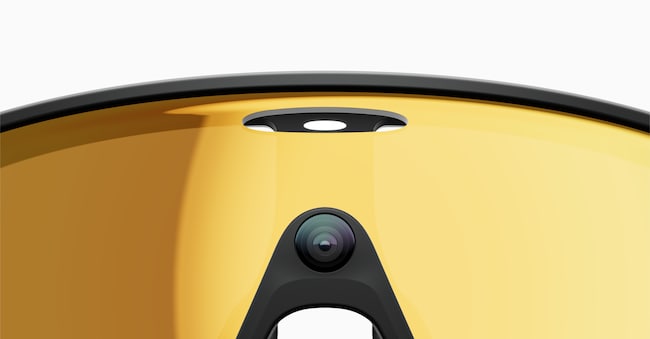
You put them on and already you feel gassed up, fitter, a superhero. I started running with the Oakley Meta Vanguard, the smart glasses developed with Meta for sports people. The person writing to you at this stage of his life is not an athlete, he is definitely not a runner, but he lives with a certain sense of guilt at the lack of adequate physical activity. With these glasses on, you don't lose weight by 'default' but you feel a little more athletic, as if your brain is convinced that you are back on the track. It's the 'technological prosthesis' effect: you wear an instrument that observes you, listens to you, accompanies you, and so you can no longer pretend not to try. Oakley Meta Vanguards in particular have the advantage of being 'designed' for super-heroes, they have aggressive lines, they are egonomic, they communicate that the wearer knows what he wants. So when you run, you have to set the tone anyway. On the technology side, Oakley's Prizm lenses amplify contrasts and make every detail of the terrain visible.
It is useful when running: you recognise potholes and shadows, you move more safely. The audio is open-conduction, you hear the music but also the road noise. The goggle connects to Garmin and Strava, records video with a small front-facing camera and keeps an eye on pace and heart rate. All without touching the smartphone. For those who have never heard of Meta goggles, this is a major simplification. No cables, no watch to consult, no phone bouncing around in your pocket. Just an object on your face that collects data and tries to motivate you with your voice. These glasses are optimised for athletes so they are not distracting. You feel watched and, as a result, more disciplined. You notice that you run more steadily, that you look ahead instead of staring at the screen. It's a psychological trick, but it works. The glasses are designed for running or cycling, not for the gym or urban walking. Out of that context, they become just an expensive pair of lenses connected to an app. But if the goal is to find a rhythm, even a mental one, then they make sense. They push you to get out of the house, to measure yourself, to record, to do.
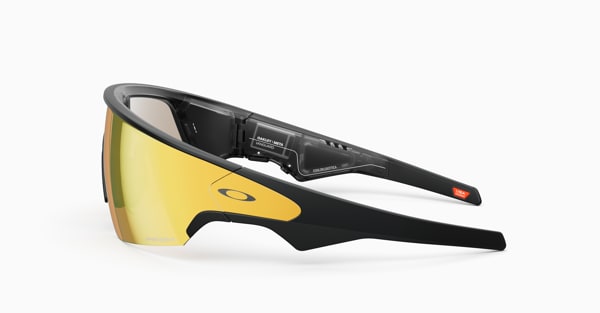
They are not without flaws. The Oakley Meta Vanguard weigh 66 grams. They are not as light as a normal pair of glasses and feel after half an hour of running. They do not have a built-in display: you still need your watch or phone to read the data. This model does not yet have the Meta Ray-Ban Display, i.e. they do not integrate a small screen for notifications and information directly into the lens. The battery lasts about nine hours, but is reduced if you record videos or listen to music. Integration with Garmin and Meta View requires some patience: it is not immediate. And the price is high, more of an accessory for those who live for sport than for those who limit themselves to the occasional Sunday jog. the Oakley Meta Vanguard costs 549 euros.


