
Here is Atlas, so OpenAI launches a titanic challenge to Google Chrome
Sam Altman's move to enter the browser market, where Google has 3 billion users

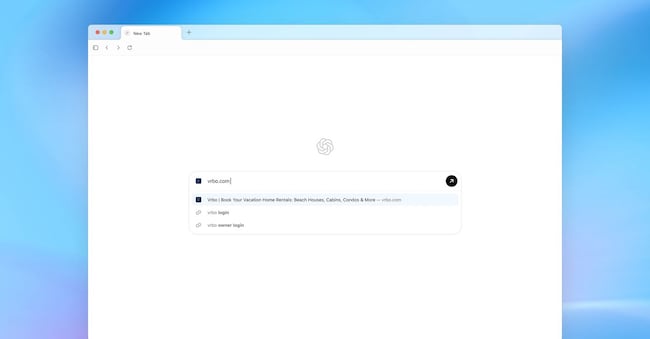
But OpenAI, producer of ChatGPT, seems to already have quite a broad shoulders, which is why the announcement that has arrived in the last few hours already has all the hallmarks of a breakthrough. Sam Altman, in a live broadcast on YouTube, unveiled OpenAI's first web browser. It is called Atlas, and it marks the official entry of the San Francisco-based company into one of the busiest and most strategic fields in the digital world: that of web browsers.
A world that has always been dominated by Google. But now the goal is clear: to turn artificial intelligence into a new gateway to the internet, shifting the centre of gravity of online search from keywords to natural dialogues.
Altman called it a 'rare once-in-a-decade opportunity to rethink what a browser can be and how to use it'. The idea, in essence, is for Atlas to become much more than just a browser, and to become a kind of assistant capable of exploring the web on its own, interpreting users' requests and returning pre-processed answers, without forcing them to switch from one site to another.
Certainly, a situation that breaks the old Internet pact (you create the content, and the search engine directs the traffic to your site). This is a very delicate chapter, and the launch of Atlas, in fact, heightens its urgency.
But there is treasure in the way. Today, the global Internet browser market is valued at about USD 73.3 billion and is expected to reach about USD 125 billion by 2032, with a compound annual growth rate of about 7 per cent.


