
How to reduce the effects of tariffs: acting on supply chains
Companies can take action to limit the burden of existing tariffs

3' min read
3' min read
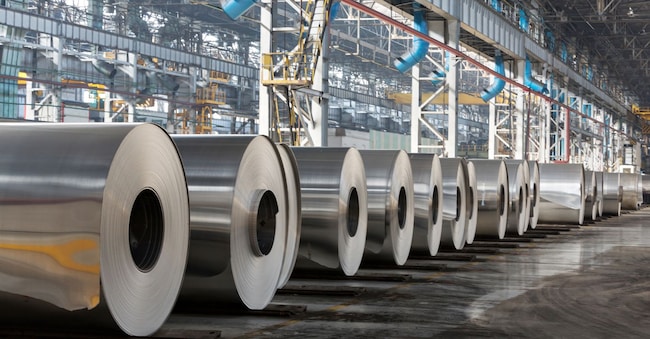
As of 12 March, the US imposed several additional tariffs including a 25% ad valorem duty on imports of aluminium and steel products (and their derivatives). Then new duties were imposed at 25% on imports of passenger cars and car parts as of 3 April and 3 May respectively.
These measures were followed, as of 5 April, by a new tariff on all types of goods imported into the USA with a basic rate of 10%: a level initially intended to be increased on the basis of the now famous tables shown by President Trump in the White House Rose Garden. The EU would have been charged 20% and it is precisely this level that has been suspended by Trump for 90 days starting 9 April.
During this moratorium, the parties will negotiate, but in the meantime the companies can start reasoning about the implementation mechanisms of the tariffs.
Exemptions
.First, among the various exemptions, one is for components of US origin present for at least 20% in goods imported into the US.
The analysis of supply chains

