Introducing the Google Pixel 11: more AI, the new Tensor G6, and the price remains the same
The new Pixel 11 range gives a clearer indication of the direction Google wants to take with its smartphones.

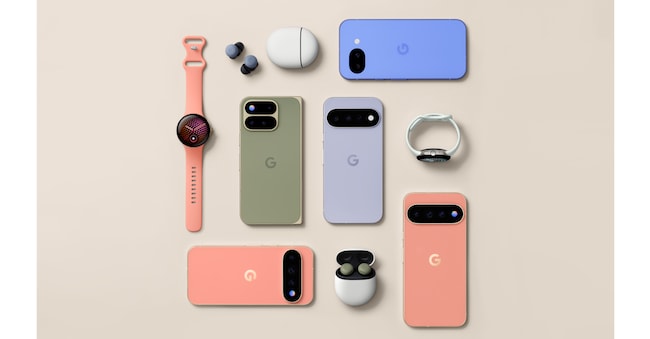
A phone is still just a phone. It has more megapixels, more NITs, more storage, batteries that charge faster and a new processor. But Google’s new range of smartphones is designed to ensure that the Pixel gradually stops waiting for our commands and starts to understand what we’re doing.
This is where Gemini Intelligence comes into the picture – the common thread linking the Pixel 11, Pixel 11 Pro, Pixel 11 Pro XL and, at least globally, the Pixel 11 Pro Fold. Perhaps they could have chosen a name that sounded less ‘made in Cupertino’, but Gemini Intelligence gives a good idea of what they’re aiming for.
The idea put forward during the preview presentation we attended is almost paradoxical for a company that thrives on digital services: to get us to use our phones less. Gemini is designed to analyse the context, understand what’s on the screen and suggest the next step. If a chat mentions a dinner, it can suggest making a booking. If a flight or a loyalty card appears, it can suggest saving the details in Wallet. If you’re comparing hotels, it can summarise the pros and cons. In short, the phone becomes a sort of overzealous know-it-all friend who sticks its nose in and suggests ways out. The issue of privacy naturally takes centre stage. Google talks about explicit user controls, transparency and Private AI Compute. All of this will need to be verified, but the promise is that of a smartphone that knows everything about us and anticipates our choices.
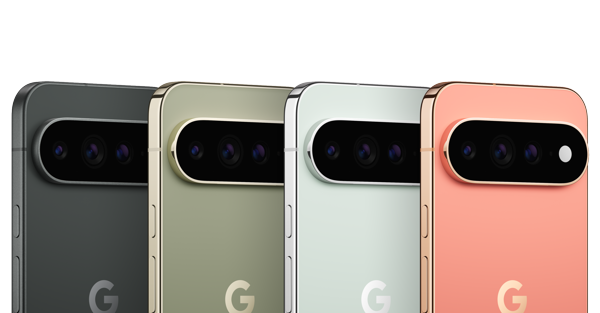
And then there’s the hardware
They’re more powerful. Under the bonnet lies the Tensor G6. It’s the new chip designed by Google and is perhaps the most technologically interesting aspect of the whole project. According to data provided by the company, the CPU boosts energy efficiency by up to 20 per cent, browsing is 25 per cent faster and app loading times are 15 per cent quicker. The TPU – the unit specialised in artificial intelligence calculations – gains 50% in processing power.
Translated from ‘Siliconese’: Google is designing chips with less and less focus on the traditional benchmark race and more and more on how many AI operations can be carried out quickly on the device.